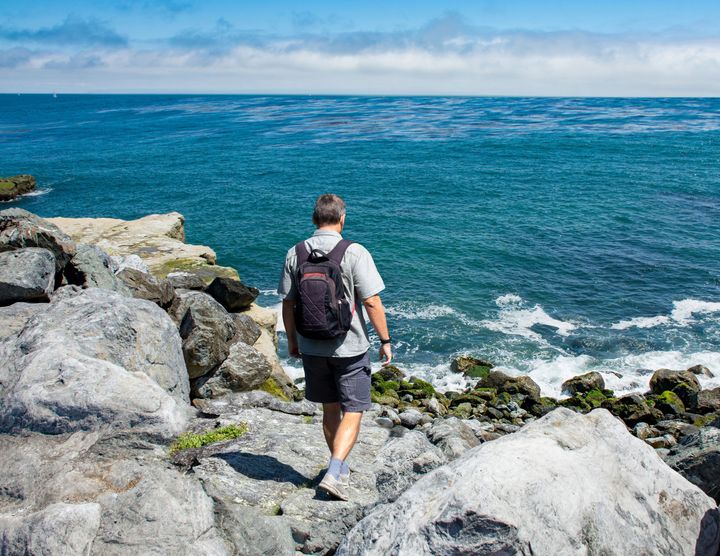
A Guide to Ocean Cliffside Hikes: Basics, Safety Tips, and Trail Knowledge
Ocean cliffside hikes are coastal walking routes that follow cliffs overlooking the sea. These trails often combine natural landscapes, geological formations, marine ecosystems, and scenic viewpoints. Many coastal regions include these paths within national parks, nature reserves, and protected shoreline areas.
Cliffside hiking is different from inland hiking because the environment includes steep terrain, sea winds, erosion-prone paths, and constantly changing coastal conditions. Trails may follow rocky bluffs, sandy edges, forested coastal ridges, or narrow ledges above the ocean.
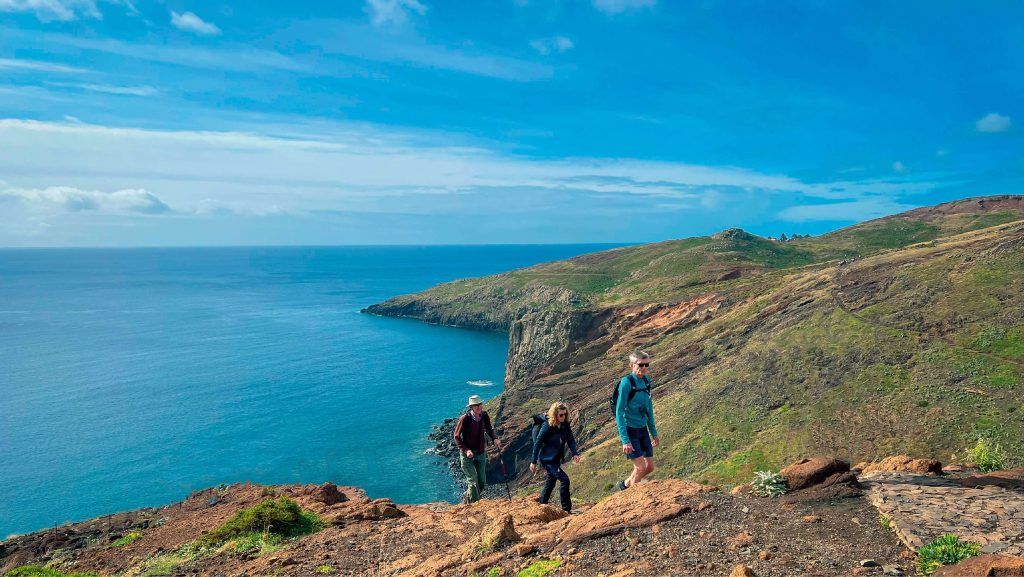
These routes exist for multiple purposes. Historically, many coastal paths began as fishing routes, lighthouse access trails, or local travel corridors. Over time, they became recreational hiking trails that allow people to explore ocean landscapes and coastal ecosystems.
Ocean cliffside hiking today is part of the broader outdoor recreation movement that emphasizes environmental awareness, physical activity, and nature exploration. Hikers often use coastal trail maps, outdoor navigation tools, and safety guidelines to understand terrain conditions and avoid potential hazards.
Because coastal terrain changes frequently due to tides, wind, and erosion, trail knowledge plays an important role. Understanding trail markings, weather conditions, and cliff stability helps hikers navigate these environments responsibly.
Why Ocean Cliffside Hiking Matters
Ocean cliffside hiking matters because it connects outdoor recreation with environmental awareness and coastal conservation. Coastal trails allow people to observe marine wildlife, geological formations, and coastal vegetation in their natural settings.
These hiking routes affect several groups of people:
-
Recreational hikers and outdoor enthusiasts
-
Environmental researchers and geologists
-
Local communities near coastal parks
-
Tourism planners and conservation organizations
Coastal trails often serve as educational landscapes where people learn about ocean processes such as wave erosion, sediment movement, and cliff formation.
Cliffside trails also highlight environmental challenges such as coastal erosion, rising sea levels, and habitat preservation. Many coastal regions use hiking routes as a way to promote responsible outdoor recreation while protecting sensitive ecosystems.
Another reason these trails matter is physical and mental health. Outdoor hiking activities are widely associated with benefits such as improved fitness, reduced stress, and stronger connections with nature.
However, ocean cliffside trails can present specific challenges:
| Challenge | Description |
|---|---|
| Cliff erosion | Coastal cliffs naturally weaken and collapse over time |
| Strong ocean winds | Wind exposure can affect balance and trail visibility |
| Slippery surfaces | Wet rocks, algae, or loose gravel increase fall risks |
| Changing tides | Certain coastal paths may become inaccessible during high tide |
Understanding these factors helps hikers prepare for coastal terrain conditions and avoid common trail risks.
Recent Trends in Coastal Hiking and Outdoor Exploration
In recent years, ocean cliffside hiking has gained attention through environmental programs, outdoor recreation initiatives, and conservation projects.
Several developments have influenced coastal trail use:
-
Expanded coastal trail networks in many regions
-
Increased monitoring of cliff erosion and coastal safety
-
Growth of outdoor navigation apps and digital trail maps
-
Environmental education programs along coastal hiking routes
Some coastal park authorities reported updates to trail safety guidance during recent months as erosion and storm activity affected cliff stability. Monitoring programs have introduced warning signs, trail reroutes, and improved path maintenance to protect visitors and natural landscapes.
Satellite mapping and drone surveys are also helping researchers study cliff formations and erosion patterns. These technologies allow park managers to identify unstable sections of trails and update safety recommendations.
Outdoor recreation data platforms have also observed increased interest in coastal hiking routes, particularly scenic cliffside paths known for panoramic ocean views. As a result, many conservation agencies encourage responsible trail behavior and environmental awareness among hikers.
Regulations and Environmental Policies Related to Coastal Trails
Ocean cliffside trails are often located within protected natural areas. As a result, regulations help balance public access with environmental protection.
Coastal management programs typically regulate:
-
Trail access zones near unstable cliffs
-
Protected wildlife habitats
-
Coastal vegetation conservation areas
-
Safety barriers and observation points
Many coastal authorities require hikers to remain on designated trails. This rule helps reduce erosion and protects fragile cliffside ecosystems.
Environmental policies may also limit activities such as camping near cliff edges, climbing on unstable rock faces, or disturbing seabird nesting areas. Coastal cliffs often support sensitive wildlife habitats, including marine birds and rare coastal plants.
Trail signage, safety fencing, and observation platforms are commonly used tools for managing cliffside hiking routes. These measures help visitors enjoy coastal landscapes while reducing environmental impact.
Conservation organizations also promote “leave no trace” principles along coastal trails. These practices encourage hikers to minimize waste, respect wildlife, and avoid damaging natural environments.
Helpful Tools and Digital Resources for Cliffside Hiking
Modern technology has improved how hikers plan and navigate ocean cliffside trails. Several digital tools and outdoor resources provide trail information, weather updates, and safety guidance.
These resources help hikers understand terrain conditions before starting a hike.
| Tool or Resource | Purpose |
|---|---|
| Trail navigation apps | Provide GPS-based trail maps and elevation data |
| Weather forecast platforms | Show wind speeds, storm warnings, and coastal weather |
| Tide prediction tools | Help hikers plan routes near shorelines |
| Satellite terrain maps | Show cliff formations and terrain features |
| Outdoor safety checklists | Guide preparation for hiking environments |
Common digital hiking tools include mapping applications that display elevation profiles, route difficulty levels, and user-generated trail reports.
Weather monitoring tools are especially important for coastal hiking. Ocean winds, fog, and storms can affect visibility and trail safety.
Tide charts are also useful for hikers exploring coastal paths near beaches or shoreline sections. High tides may temporarily block certain segments of coastal trails.
Outdoor education websites often provide downloadable hiking checklists, trail etiquette guidelines, and coastal geology explanations. These resources support safe and informed outdoor exploration.
Frequently Asked Questions
What is an ocean cliffside hike?
An ocean cliffside hike is a trail that runs along elevated coastal cliffs overlooking the sea. These paths often follow natural ridges or coastal bluffs and provide scenic views of ocean landscapes. Terrain conditions may include rocky surfaces, steep slopes, and narrow pathways.
Are cliffside hiking trails considered difficult?
Difficulty varies depending on the location. Some coastal trails are wide and well maintained, while others involve steep climbs or uneven surfaces. Factors such as elevation change, wind exposure, and trail stability influence the overall difficulty level.
What safety precautions are important for coastal hiking?
Important safety practices include:
-
Staying on marked trails
-
Maintaining distance from cliff edges
-
Checking weather conditions before hiking
-
Wearing appropriate hiking footwear
-
Carrying navigation tools and water
These precautions help reduce risks associated with coastal terrain.
How do tides affect ocean cliffside trails?
Some coastal trails run close to beaches or rocky shorelines. High tides can cover these areas and make them difficult to pass. Checking tide predictions helps hikers plan safe travel times along shoreline segments.
Why are some cliffside trails closed or rerouted?
Trail closures often occur when cliffs become unstable due to erosion or storms. Park authorities may reroute paths to protect both visitors and fragile coastal ecosystems.
Conclusion
Ocean cliffside hiking offers a unique way to explore coastal landscapes and understand how natural forces shape the shoreline. These trails combine scenic views, geological formations, and marine ecosystems, creating an outdoor environment that supports both recreation and environmental education.
Understanding trail conditions, coastal weather patterns, and cliff stability is an essential part of responsible hiking. With the help of navigation tools, safety guidelines, and environmental awareness, hikers can experience coastal trails while minimizing risks and protecting natural habitats.