A Complete Guide to Polishing Machines: Knowledge, Facts & Basics
A Complete Guide to Polishing Machines: Knowledge, Facts & Basics Polishing machines are essential tools used to smooth surfaces and improve the appearance, durability, and performance of different materials such as metals, plastics, wood, and glass. These machines operate through mechanical, chemical, or electrochemical processes that refine a surface to a desired level of gloss or finish.
Polishing plays a major role in industrial manufacturing, automotive production, jewelry crafting, and even electronics. It ensures that products not only look appealing but also perform efficiently by reducing friction and improving material longevity.
Understanding Polishing Machines
A polishing machine uses rotating wheels or belts combined with abrasives and polishing compounds to remove imperfections from a surface. Depending on the application, these machines can be manual, semi-automatic, or fully automated.
Common Types of Polishing Machines:
-
Bench Polishers: Stationary machines used for polishing small parts and components.
-
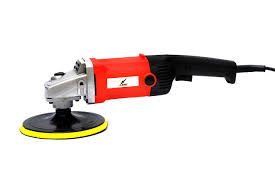
Portable Polishers: Handheld tools designed for flexibility and on-site use.
-
Industrial Polishing Systems: Large automated systems for mass production environments.
-
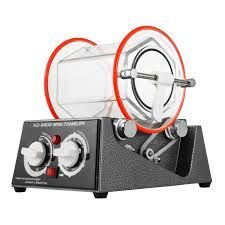
Centrifugal and Vibratory Polishers: Used for bulk finishing of small parts.
-
Robotic Polishers: Equipped with programmable arms for precision and consistency.
Each machine type serves a specific function — for instance, a metal polisher enhances corrosion resistance, while a glass polisher removes scratches and improves transparency.
Importance of Polishing Machines
Polishing machines matter because they improve the functionality, appearance, and lifespan of materials. In manufacturing, a smooth surface can reduce wear, prevent contamination, and ensure proper fitting between parts.
Key Benefits Include:
-
Enhancing product quality and visual appeal
-
Improving mechanical performance and corrosion resistance
-
Reducing material fatigue through smooth surface finishes
-
Ensuring consistency and accuracy in production lines
Polishing is especially crucial in industries such as automotive, aerospace, construction, medical devices, electronics, and furniture manufacturing.
In the modern era, the demand for precision-engineered surfaces has grown due to stricter quality standards and sustainability goals. Polishing machines help manufacturers reduce material waste while achieving consistent surface quality.
Recent Updates and Industry Trends
Over the past year, technological advancements have reshaped how polishing machines are designed and operated. Automation and digital integration have made polishing more efficient, precise, and eco-friendly.
Notable Developments (2024–2025):
-
Automation and Robotics: Increased use of robotic polishing systems in manufacturing plants for uniform and faster finishes.
-
AI and Sensor Integration: Machines now use smart sensors to detect surface irregularities and adjust pressure automatically.
-
Eco-Friendly Abrasives: New biodegradable and non-toxic compounds are replacing traditional chemical-based abrasives to promote green manufacturing.
-
3D Surface Mapping: Modern machines can now digitally scan and map surfaces before polishing to ensure minimal material removal.
-
Noise and Energy Reduction: Manufacturers are improving machine designs to consume less power and reduce operational noise, enhancing workplace safety and comfort.
A 2024 industry report by MarketsandMarkets projected that the global polishing machine market will continue to grow steadily, driven by the demand from automotive, semiconductor, and medical industries.
Regulations and Standards for Polishing Machines
Polishing machines must comply with national and international safety, environmental, and quality standards. These ensure worker safety and environmental protection while maintaining consistent product quality.
Relevant Standards and Guidelines:
| Organization | Regulation/Standard | Focus Area |
|---|---|---|
| ISO (International Organization for Standardization) | ISO 9001, ISO 14001 | Quality management and environmental safety |
| BIS (Bureau of Indian Standards) | IS 302 and IS 755 | Electrical and mechanical safety standards |
| OSHA (Occupational Safety and Health Administration) | 29 CFR 1910 | Workplace safety and machinery guard requirements |
| CE Certification (European Conformity) | Machinery Directive 2006/42/EC | Compliance for exporting to European markets |
Government bodies in countries like India, the U.S., and the EU have also introduced programs encouraging energy-efficient manufacturing and noise-reduction technologies. In India, initiatives like Make in India and Atmanirbhar Bharat support domestic machinery production with sustainable designs and quality compliance.
Tools and Resources
Understanding polishing machines and their applications becomes easier with the help of reliable resources and technical tools.
Helpful Resources:
-
Engineering Toolbox: Offers calculators for polishing speeds and surface area coverage.
-
Material Finishing Standards (ISO/BIS): Provides detailed documentation for material finish requirements.
-
ResearchGate and ScienceDirect: Contain published papers on polishing techniques and surface finishing innovation.
-
YouTube Channels & Industry Webinars: Provide visual demonstrations and tutorials on polishing machine setup and maintenance.
-
Surface Roughness Chart Tools: Online tools that help identify finish grades (e.g., Ra, Rz values).
Useful Tips:
-
Always wear protective gear like gloves, goggles, and ear protection.
-
Regularly inspect polishing wheels and abrasives for wear.
-
Maintain consistent machine calibration for optimal results.
-
Follow manufacturer guidelines to prevent overheating and ensure machine longevity.
Frequently Asked Questions
Q1: What materials can be polished using a polishing machine?
Polishing machines can be used on metals (steel, aluminum, brass), wood, plastics, ceramics, and glass. Each material requires a specific type of abrasive or compound to achieve the best finish.
Q2: What is the difference between buffing and polishing?
Polishing involves removing material from a surface to smooth it, while buffing is the final stage that gives the surface its shine. Polishing is often done with abrasives, while buffing uses softer materials like cloth wheels and wax compounds.
Q3: How often should polishing machines be maintained?
Routine maintenance should be performed weekly or monthly, depending on usage. This includes cleaning, lubricating moving parts, checking belts, and replacing worn-out components.
Q4: Are automated polishing machines better than manual ones?
Automated machines offer better consistency, speed, and precision, making them ideal for mass production. However, manual machines provide flexibility for custom or delicate work where human control is needed.
Q5: What safety measures should be followed when using polishing machines?
Ensure proper ventilation, use guards and safety switches, avoid loose clothing, and disconnect power before maintenance. Training operators on machine safety is essential to prevent accidents.
Conclusion
Polishing machines play a vital role in ensuring that industrial and consumer products meet high-quality standards. From improving surface durability to enhancing visual appeal, these machines combine science, engineering, and innovation.
As technology continues to evolve, polishing processes are becoming smarter, cleaner, and more energy-efficient. Understanding the basics of how these machines work, keeping up with new trends, and adhering to safety and regulatory standards can help industries achieve better results while supporting sustainable manufacturing.
Whether for automotive parts, precision tools, or decorative materials, polishing machines remain an indispensable part of modern industrial development — reflecting the balance between performance, quality, and innovation.