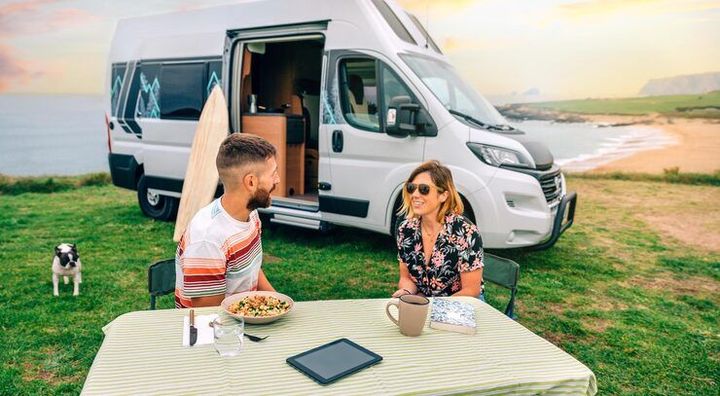
Explore Campervan Rentals: Complete Guide to Basics, Process & Key Insights
Campervan rentals refer to the temporary use of a vehicle equipped for both transportation and accommodation. A typical campervan combines driving space with sleeping, cooking, and basic living facilities, allowing travelers to move and stay within the same vehicle. This model supports flexible travel without relying on fixed accommodation locations.
The concept of campervan rentals exists to simplify road-based travel. Instead of planning separate transport and lodging, travelers can manage both through a single setup. Campervans are commonly used for leisure travel, long-distance road trips, nature exploration, and extended journeys where flexibility is important.
Over time, campervans have evolved from basic modified vans into purpose-designed vehicles with integrated storage, compact utilities, and improved safety features. Rental access has made this form of travel more approachable for people who do not own specialized vehicles.
Why Campervan Rentals Matter Today
Campervan rentals matter today because travel preferences are shifting toward flexibility, self-paced journeys, and experience-focused trips. Many travelers seek routes that are not limited to major cities or fixed schedules.
This topic affects several groups:
-
Leisure travelers planning road trips
-
Families seeking flexible holiday formats
-
Outdoor and nature-focused travelers
-
Tourism planners and transport authorities
Campervan rentals help address common travel challenges such as rigid itineraries, limited accommodation availability in remote areas, and frequent relocation during trips. By combining mobility and lodging, campervans offer a self-contained travel option.
Key reasons campervan rentals have gained attention include:
-
Increased interest in road-based travel
-
Preference for personalized itineraries
-
Access to remote or less-developed destinations
-
Desire for independent travel experiences
As travel patterns diversify, campervan rentals have become a recognized part of the broader travel and tourism ecosystem.
Basics of Campervan Rental Models
Campervan rental models vary based on vehicle size, interior layout, and intended usage. Understanding the basics helps travelers align expectations with actual travel conditions.
Common campervan features include:
-
Sleeping arrangements integrated into the vehicle
-
Compact cooking or food preparation areas
-
Storage for luggage and supplies
-
Basic electrical or lighting systems
Campervans differ from larger motorhomes primarily in size and maneuverability. They are generally easier to drive and park, making them suitable for both urban and rural routes.
A simplified overview of campervan categories is shown below:
| Campervan Type | General Characteristics |
|---|---|
| Compact Campervan | Easy handling, minimal facilities |
| Standard Campervan | Balanced space and mobility |
| High-Roof Campervan | Increased interior height |
| Converted Van | Custom interior layouts |
These basic distinctions help travelers choose suitable formats for their journey style.
How the Campervan Rental Process Works
The campervan rental process follows a structured flow, similar to other vehicle rental arrangements, but with additional considerations related to living features.
The general process includes:
-
Selecting travel dates and destination region
-
Choosing an appropriate campervan type
-
Reviewing vehicle features and usage guidelines
-
Completing required documentation
-
Vehicle pickup, orientation, and return
During pickup, renters typically receive an orientation covering vehicle operation, safety features, and onboard facilities. This step is important for understanding space usage and driving considerations.
A simplified process flow is shown below:
| Step | Purpose |
|---|---|
| Planning | Route and duration clarity |
| Vehicle Selection | Match size to travel needs |
| Documentation | Identity and driving compliance |
| Orientation | Operational understanding |
| Return | Condition and usage review |
This process helps ensure clarity and responsible use during the rental period.
Common Types of Campervan Travel Experiences
Campervan rentals support different travel styles depending on destination, duration, and traveler preferences. These experiences are shaped more by usage patterns than by vehicle alone.
Common campervan travel approaches include:
-
Road trip travel, covering multiple locations over time
-
Nature-focused travel, near parks, coastlines, or rural areas
-
Festival or event-based travel, where nearby accommodation is limited
-
Extended journey travel, involving weeks or months on the road
A simplified comparison is shown below:
| Travel Style | Typical Focus |
|---|---|
| Road Trip | Route flexibility |
| Nature Travel | Scenic and remote access |
| Event Travel | Temporary accommodation |
| Extended Journey | Long-duration mobility |
Understanding these patterns helps travelers plan routes, stops, and daily routines more realistically.
Recent Updates and Travel Trends
Over the past year, campervan rental trends have reflected broader shifts in travel behavior and infrastructure development.
In February 2025, travel reports highlighted increased interest in domestic road trips, particularly among travelers seeking flexible schedules and less crowded destinations.
By July 2025, there was growing attention on compact campervans suited for easier driving and fuel efficiency. This trend aligned with improved road connectivity and urban accessibility.
Another noticeable trend in October 2025 involved greater use of digital route planning tools and campsite discovery platforms. These tools help travelers plan stops, parking, and overnight stays more efficiently.
A general comparison of earlier and recent trends is shown below:
| Aspect | Earlier Pattern | Recent Trend (2025) |
|---|---|---|
| Travel Focus | Fixed destinations | Route-based journeys |
| Vehicle Preference | Larger formats | Compact, flexible vans |
| Planning Style | Manual research | App-supported planning |
| Stay Locations | Limited sites | Diverse stop options |
These trends reflect evolving expectations rather than structural changes in rental availability.
Laws, Rules, and Regulatory Considerations in India
In India, campervan rentals are governed by existing motor vehicle, tourism, and local regulations rather than a single dedicated framework.
Key regulatory influences include:
-
Motor Vehicles Act, 1988, governing vehicle operation
-
State transport authority rules, related to commercial vehicles
-
Local parking and camping regulations
-
Tourism department guidelines for self-drive vehicles
During 2024–2025, local authorities in several regions clarified rules related to overnight parking and use of self-contained vehicles in public areas. These clarifications aim to balance tourism activity with public space management.
Travelers are generally expected to follow traffic laws, respect local parking norms, and avoid restricted areas. Awareness of regional regulations is essential for responsible campervan travel.
Tools and Resources for Campervan Travel Planning
Several planning tools and informational resources support campervan-based travel. These resources focus on navigation, preparation, and situational awareness.
Helpful resources include:
-
Route planning applications with road condition insights
-
Digital maps highlighting fuel and rest stops
-
Campsite and parking information platforms
-
Travel checklists for road journeys
-
Weather and terrain update services
Key planning factors often reviewed are shown below:
| Factor | Why It Matters |
|---|---|
| Route Accessibility | Driving safety |
| Stop Availability | Rest and overnight planning |
| Vehicle Size | Road and parking suitability |
| Travel Duration | Supply management |
| Local Rules | Compliance and safety |
Using these tools supports smoother and more predictable travel experiences.
Frequently Asked Questions About Campervan Rentals
What is the difference between a campervan and a motorhome?
Campervans are generally smaller, easier to drive, and more compact than motorhomes, which offer larger living spaces.
Is special driving experience required for campervans?
Most campervans can be driven with a standard driving license, but familiarity with larger vehicles is helpful.
Can campervans be used in urban areas?
Yes, though parking and maneuverability depend on vehicle size and local regulations.
Are campervans suitable for long journeys?
They are commonly used for extended trips, provided routes and rest stops are planned in advance.
Do campervan rentals include basic living facilities?
Most campervans include sleeping and storage facilities, with additional features varying by model.
Conclusion
Campervan rentals offer a flexible and self-contained approach to travel, combining transportation and accommodation into a single system. They support personalized routes, access to diverse destinations, and adaptable travel schedules.
Recent trends highlight growing interest in compact vehicles, digital planning tools, and route-based journeys. At the same time, regulatory frameworks in India continue to rely on existing vehicle and local governance rules to manage campervan usage.