Anti-Aging Treatments Overview: Basics, Explanation, Knowledge and Key Details
Aging is a natural biological process that affects every person over time. As the body ages, visible changes often appear in the skin, hair, and overall physical appearance. Anti-aging treatments are methods, practices, and technologies designed to address or manage visible signs of aging such as wrinkles, fine lines, reduced skin elasticity, and uneven skin tone.
These treatments exist because many individuals seek ways to maintain skin health and improve appearance as they age. Scientific research in dermatology and skin biology has expanded knowledge about collagen loss, oxidative stress, sun exposure, and environmental effects that influence the aging process. As a result, modern anti-aging approaches combine dermatological science, skincare practices, and lifestyle adjustments.
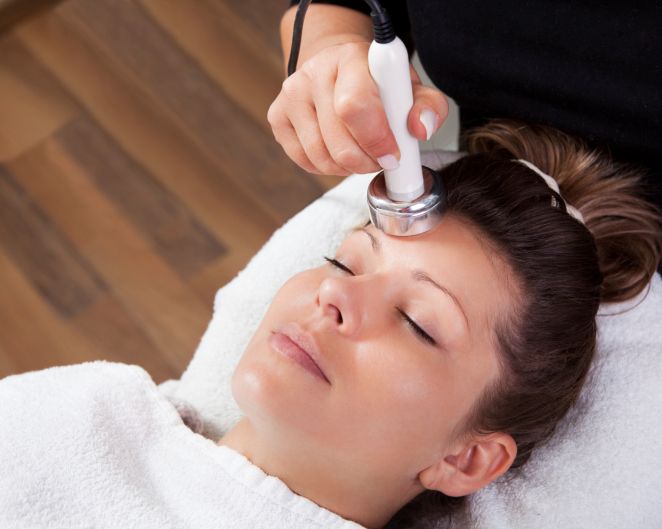
Anti-aging treatments can include topical skincare routines, dermatological procedures, and technological innovations that support skin renewal. The topic has grown into a major area of research within dermatology and cosmetic science because skin health is closely linked with overall well-being and confidence.
Today, discussions about anti-aging treatments often focus on prevention, skin protection, and evidence-based approaches rather than dramatic transformations. Educational guides, dermatology insights, and scientific explanations help people understand how aging affects the body and how various treatments work.
Understanding Why Anti-Aging Treatments Matter
Interest in anti-aging treatments continues to grow as people become more aware of skin health and preventive care. The topic matters because aging-related skin changes can affect a wide range of individuals across different age groups.
Common concerns include:
-
Loss of collagen and skin firmness
-
Appearance of wrinkles and fine lines
-
Uneven skin texture and pigmentation
-
Dryness and reduced hydration
-
Sun damage accumulated over time
Dermatology research shows that environmental factors such as ultraviolet radiation, pollution, and lifestyle habits can accelerate visible skin aging. Anti-aging treatments often aim to support the skin’s natural repair processes and maintain skin barrier health.
The topic is also relevant because people are living longer, and interest in maintaining healthy skin throughout life has increased. Educational resources about skincare ingredients, dermatology procedures, and preventive measures help individuals make informed decisions.
From a public health perspective, awareness about skin care and sun protection can also reduce the risk of conditions such as photoaging and certain skin diseases. This is why many dermatology organizations publish guides and insights explaining how anti-aging treatments relate to broader skin health.
Recent Updates and Trends in Anti-Aging Research
Advances in dermatology and cosmetic science continue to influence the development of anti-aging treatments. Over the past year, several research and industry trends have gained attention.
One trend involves increased focus on skin barrier repair and microbiome health. Dermatology studies published in recent months have highlighted the importance of maintaining a balanced skin microbiome to support long-term skin resilience.
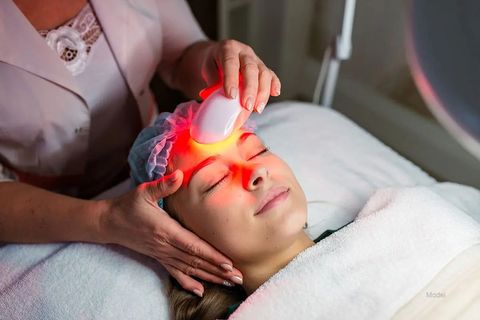
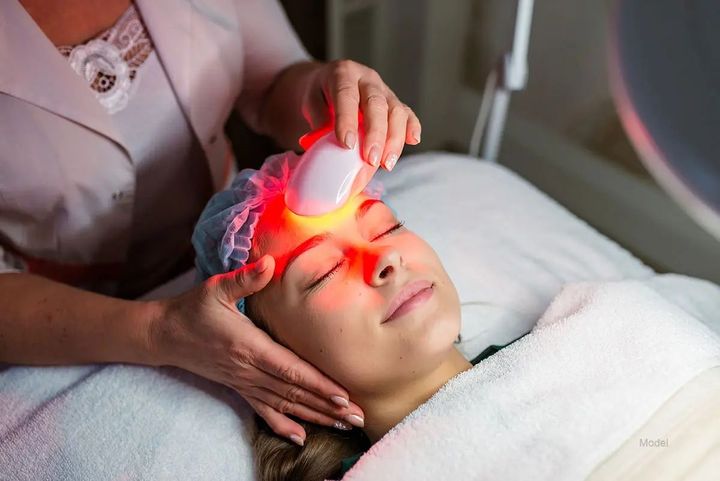
Another trend is the growing use of non-invasive technologies. Devices that use radiofrequency, ultrasound, and light-based techniques have been studied for their potential role in supporting collagen production and improving skin texture.
Artificial intelligence is also influencing skincare analysis tools. Some digital platforms introduced during the past year use image analysis and dermatology data to provide personalized skincare insights and educational recommendations.
Scientific literature released during recent months has also examined the effectiveness of ingredients such as:
-
Retinoids
-
Peptides
-
Antioxidants
-
Hyaluronic acid
These ingredients are frequently discussed in dermatology research because they may support skin renewal, hydration, and collagen maintenance.
Another emerging trend is the shift toward preventive skincare, where individuals focus on early skin protection and long-term maintenance rather than addressing visible aging later.
Educational content and dermatology resources increasingly emphasize evidence-based skincare practices supported by clinical research.
Regulations and Policy Considerations
Anti-aging treatments are influenced by regulatory frameworks that guide skincare products, dermatology procedures, and medical technologies. Government health agencies and regulatory bodies typically establish rules to ensure product safety, ingredient transparency, and clinical evaluation.
Skincare products are often regulated under cosmetic safety standards. Manufacturers are generally required to provide ingredient labeling and follow safety guidelines for formulation and testing. These policies help ensure that consumers receive clear information about product components.
Medical or device-based treatments may fall under stricter regulatory oversight. Technologies used in dermatology clinics, such as laser devices or energy-based systems, may require regulatory clearance or evaluation to confirm safety and intended use.
Advertising and informational content about skincare and anti-aging treatments is also subject to guidelines designed to prevent misleading health claims. Educational materials must present balanced information and avoid exaggerated promises about results.
These regulatory measures aim to protect consumers while supporting innovation in dermatology and cosmetic science.
Helpful Tools and Resources for Learning About Anti-Aging Treatments
Educational tools and digital resources can help individuals understand skincare science and explore anti-aging knowledge more effectively. Many dermatology organizations, research institutions, and digital platforms provide reliable information about skin health.
Common tools and resources include:
| Tool or Resource | Purpose | Type |
|---|---|---|
| Skin analysis apps | Provide insights about skin condition using image analysis | Mobile apps |
| Dermatology education websites | Offer research-based skincare knowledge and guides | Informational websites |
| Ingredient databases | Explain skincare ingredients and their functions | Online databases |
| Sun exposure calculators | Help estimate UV exposure and skin protection needs | Digital calculators |
| Skin health tracking templates | Allow users to monitor skincare routines and results | Templates |
Additional helpful resources may include:
-
Dermatology association publications
-
Academic journals related to skincare science
-
Educational webinars about dermatological treatments
-
Skin care routine planners and digital trackers
These resources provide structured information that helps individuals explore anti-aging treatments from a knowledge-based perspective.
Common Types of Anti-Aging Approaches
Anti-aging treatments often fall into several categories depending on how they interact with the skin.
| Treatment Category | Explanation | Common Focus |
|---|---|---|
| Topical skincare | Creams, serums, and lotions applied to the skin | Hydration, antioxidant support |
| Dermatological procedures | Clinical treatments performed by professionals | Skin resurfacing or collagen stimulation |
| Technology-based treatments | Devices that use energy-based technologies | Skin tightening and texture improvement |
| Preventive care | Lifestyle and protective practices | Sun protection and skin health |
Preventive approaches often include:
-
Regular sunscreen use
-
Balanced skincare routines
-
Hydration and nutrition
-
Avoiding excessive sun exposure
These practices aim to support the skin’s natural ability to maintain structure and resilience.
Frequently Asked Questions
What are anti-aging treatments?
Anti-aging treatments are skincare practices, dermatology procedures, and technologies designed to address visible signs of aging such as wrinkles, reduced skin elasticity, and uneven skin tone.
At what age do people usually start exploring anti-aging skincare?
Many dermatology experts suggest that preventive skincare practices can begin early in adulthood, especially focusing on sun protection, hydration, and maintaining a healthy skin barrier.
Do lifestyle habits affect skin aging?
Yes. Factors such as sun exposure, smoking, diet, sleep quality, and environmental stress can influence how quickly visible skin aging appears.
Are non-invasive anti-aging treatments common today?
Non-invasive and minimally invasive treatments have become increasingly discussed in dermatology research because they aim to support skin improvement without surgical procedures.
How can someone learn more about skincare ingredients?
Ingredient databases, dermatology websites, and scientific publications provide detailed explanations of skincare ingredients and their roles in supporting skin health.
Conclusion
Anti-aging treatments represent an evolving field that combines dermatology research, skincare science, and technological innovation. As knowledge about skin biology continues to expand, educational resources play an important role in helping individuals understand how aging affects the skin and what approaches may support long-term skin health.
Rather than focusing solely on appearance, modern discussions about anti-aging treatments emphasize prevention, skin protection, and scientifically informed practices. Advances in research, digital tools, and dermatological technologies continue to shape the way people explore skincare knowledge.
Disclaimer: The information provided in this article is for informational purposes only. We do not make any claims or guarantees regarding the accuracy, reliability, or completeness of the information presented. The content is not intended as professional advice and should not be relied upon as such. Readers are encouraged to conduct their own research and consult with appropriate professionals before making any decisions based on the information provided in this article