White Gold Cuff Bracelet Overview: Discover Information, Details, and Helpful Insights
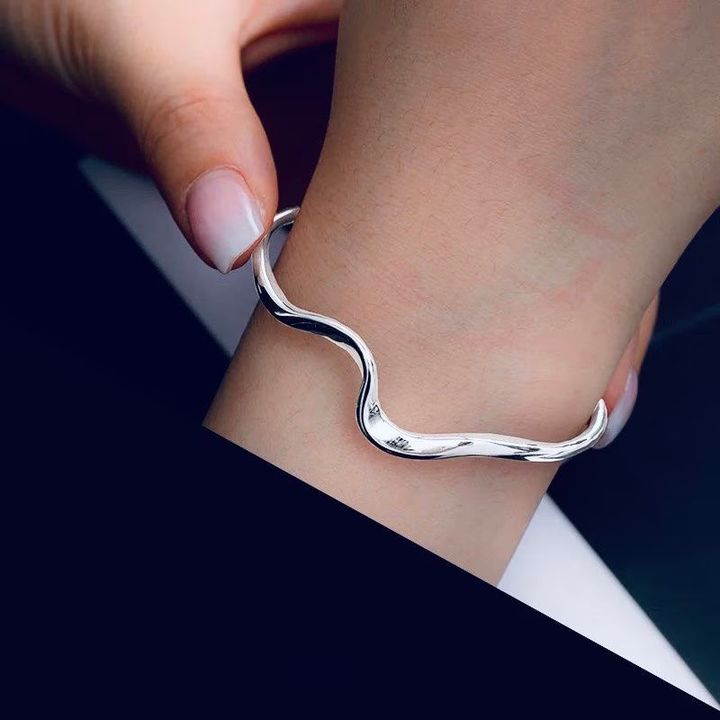
A white gold cuff bracelet is a type of jewelry accessory crafted from white gold and designed in an open-ended bracelet form that wraps partially around the wrist. Unlike closed bangles or chain bracelets, cuff bracelets typically feature a rigid structure with a gap, allowing the wearer to slide the piece onto the wrist. The design has appeared in various cultures for centuries and has evolved alongside developments in jewelry manufacturing technology, metallurgy, and fashion design.
White gold itself is an alloy created by combining pure gold with white metals such as palladium, nickel, or silver. These additional metals change the natural yellow tone of gold into a lighter silvery appearance. In modern jewelry manufacturing, white gold pieces are often finished with a rhodium plating layer to enhance brightness and improve surface durability.
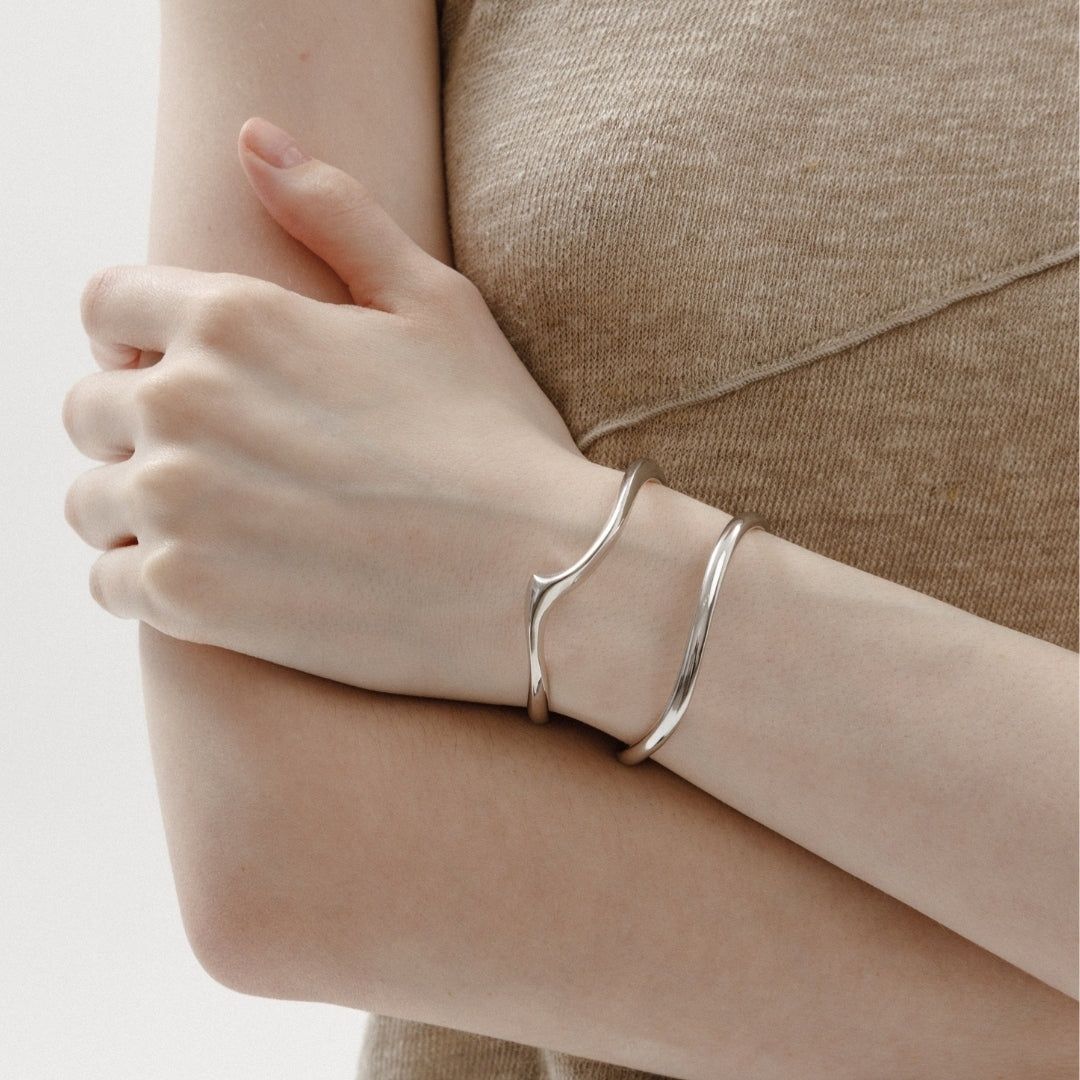
The cuff bracelet format emerged as a practical and aesthetic jewelry style. Historically, rigid wrist ornaments were worn in ancient civilizations including Egypt, Rome, and parts of Asia. Over time, jewelry designers adapted the concept into contemporary cuff bracelet styles that balance minimal structure with decorative detailing.
The concept of the white gold cuff bracelet exists because of the combination of several developments:
-
Advances in precious metal alloy technology
-
Evolving jewelry design trends
-
Demand for durable and visually neutral jewelry materials
-
Growth of luxury fashion accessories in global markets
White gold is widely studied in fields such as jewelry design, precious metal markets, and luxury fashion analysis, making it relevant not only to fashion but also to economic and material science discussions.
The structure of cuff bracelets also allows designers to experiment with different surface textures, gemstone settings, engraving patterns, and modern minimalist aesthetics. As a result, white gold cuff bracelets often appear in discussions related to fine jewelry craftsmanship, precious metal alloys, and modern jewelry design trends.
Why White Gold Cuff Bracelets Matter in Modern Jewelry Discussions
The topic of white gold cuff bracelets remains important today because it intersects with multiple industries, including fashion design, metallurgy, luxury accessories, and global precious metal markets. Jewelry researchers, designers, and consumers often explore how materials and design techniques influence durability, aesthetics, and cultural symbolism.
White gold jewelry has gained prominence due to its neutral tone and compatibility with many design styles. Compared with yellow gold, white gold blends easily with gemstones such as diamonds, sapphires, or emeralds. This adaptability has contributed to its widespread presence in modern jewelry collections.
Several groups are affected by developments in white gold jewelry:
-
Jewelry designers and manufacturers studying materials and craftsmanship
-
Fashion researchers and stylists analyzing design trends
-
Metallurgy specialists examining alloy composition
-
Luxury market analysts monitoring global jewelry demand
White gold cuff bracelets also address practical design considerations in jewelry engineering. For example:
-
The rigid cuff structure distributes weight evenly across the wrist.
-
Open-ended designs allow adjustable fitting.
-
White gold alloys offer strength compared with pure gold.
These characteristics make the topic relevant for discussions around durable luxury accessories, precious metal design innovation, and jewelry material science.
From an economic perspective, white gold jewelry also reflects trends in global gold markets, luxury goods demand, and precious metal valuation. Financial analysts frequently monitor jewelry demand because it represents a significant portion of global gold consumption.
The following table outlines several key characteristics of white gold used in jewelry.
| Property | Description | Relevance |
|---|---|---|
| Alloy Composition | Gold combined with palladium, nickel, or silver | Creates white color and improves durability |
| Surface Finish | Often rhodium plated | Enhances brightness and corrosion resistance |
| Structural Strength | Stronger than pure gold | Suitable for rigid jewelry forms |
| Design Compatibility | Works well with gemstones and modern styles | Widely used in luxury accessories |
Because of these characteristics, white gold cuff bracelets are often referenced in discussions about high-value jewelry materials, luxury fashion insights, and precious metal craftsmanship.
Recent Trends and Updates in White Gold Jewelry
The past year has seen several notable developments in the jewelry industry that relate to white gold accessories, including cuff bracelets. Industry reports released during 2024 and early 2025 highlight shifting design preferences, sustainability discussions, and evolving manufacturing technologies.
One major trend involves minimalist jewelry design. Many contemporary designers emphasize simple forms, smooth surfaces, and subtle textures. White gold cuff bracelets align well with this aesthetic due to their clean, neutral appearance.
Another development is the increasing focus on sustainable sourcing. In 2024, several international jewelry organizations expanded discussions around responsible gold sourcing and traceability. These conversations include tracking precious metals from mining to final manufacturing.
Advances in manufacturing technology have also influenced cuff bracelet design. Computer-aided design (CAD) software and precision casting tools allow designers to experiment with complex structures while maintaining structural integrity.
Recent industry reports highlight several notable trends:
-
Growing interest in recycled precious metals
-
Increased use of digital jewelry design tools
-
Greater transparency in gold supply chains
-
Rising attention to ethical sourcing standards
The following simplified trend comparison illustrates how jewelry design priorities have evolved.
| Year | Dominant Jewelry Trend | Design Influence |
|---|---|---|
| 2022 | Layered accessories | Multiple bracelets and chains |
| 2023 | Statement pieces | Bold structures and textures |
| 2024 | Minimalist metal jewelry | Smooth surfaces and clean forms |
| 2025 | Sustainable luxury materials | Traceable metals and responsible sourcing |
These developments demonstrate how jewelry trends continuously evolve alongside cultural shifts, technology advancements, and global economic changes.
Regulatory Frameworks Affecting Gold Jewelry
Jewelry made from gold, including white gold cuff bracelets, is influenced by regulations that aim to ensure authenticity, transparency, and consumer protection. Governments and international organizations often establish standards that define gold purity, labeling practices, and hallmarking requirements.
Gold purity is typically measured in karats, with common standards including 10K, 14K, and 18K. Hallmarking systems are used in many countries to verify the gold content of jewelry items.
For example:
-
The Bureau of Indian Standards (BIS) manages hallmarking requirements for gold jewelry in India.
-
The Responsible Jewellery Council (RJC) promotes ethical and responsible practices in global jewelry supply chains.
-
Several European countries maintain national hallmarking offices that verify precious metal purity.
These regulatory frameworks help maintain transparency in the jewelry market. They also support consumer awareness about metal composition and manufacturing standards.
The following table summarizes common gold purity classifications.
| Karat | Gold Content | Typical Use in Jewelry |
|---|---|---|
| 10K | 41.7% gold | Durable everyday jewelry |
| 14K | 58.3% gold | Balance of strength and appearance |
| 18K | 75% gold | High-end jewelry craftsmanship |
Policies and standards surrounding gold jewelry also address topics such as:
-
Ethical sourcing of raw materials
-
Environmental considerations in mining
-
Transparency in supply chains
These regulations contribute to a structured framework that supports trust and accountability within the global jewelry industry.
Tools and Resources for Understanding Jewelry Materials and Design
Various tools and resources help researchers, designers, and enthusiasts learn more about white gold jewelry and cuff bracelet construction. These resources provide insights into metal composition, design processes, and market trends.
Common educational tools include:
-
Gold purity calculators used to understand alloy composition
-
Jewelry CAD software for digital design modeling
-
Gemology databases containing gemstone compatibility data
-
Precious metal price trackers used in market analysis
Educational websites and research platforms also publish articles and reports on topics such as:
-
precious metal market trends
-
jewelry design innovation
-
metallurgy research
-
luxury fashion analysis
Some organizations maintain publicly available knowledge resources related to jewelry standards and materials.
Examples of widely referenced informational platforms include:
-
World Gold Council research reports
-
Responsible Jewellery Council guidelines
-
BIS hallmarking information portals
-
educational gemology institutes
These resources contribute to a broader understanding of how jewelry materials are developed, tested, and incorporated into modern design.
Frequently Asked Questions
What is white gold made from?
White gold is an alloy formed by combining pure gold with metals such as palladium, nickel, or silver. These additional metals alter the color and strengthen the material.
Why are cuff bracelets designed with an open structure?
Cuff bracelets typically include a small opening so they can slide onto the wrist easily. This design also allows slight flexibility in fitting different wrist sizes.
Does white gold change color over time?
White gold jewelry is often coated with rhodium to create a bright finish. Over long periods, the plating layer may gradually wear, which can slightly alter the surface appearance.
How is gold purity verified in jewelry?
Many countries require hallmarking systems that stamp jewelry with purity marks indicating the gold content, such as 14K or 18K.
Why is white gold popular in modern jewelry design?
Its neutral tone works well with various gemstones and design styles, making it widely used in contemporary jewelry collections.
Conclusion
White gold cuff bracelets represent a blend of traditional jewelry craftsmanship and modern design innovation. Their structure, material composition, and aesthetic versatility make them a widely discussed topic within the fields of jewelry design, metallurgy, and luxury fashion research.
The development of white gold alloys allowed jewelers to create durable pieces with a bright, silvery appearance while preserving the intrinsic value of gold. Meanwhile, the cuff bracelet structure offers designers flexibility in form, allowing both minimalist and decorative interpretations.
Recent developments in responsible sourcing, digital design tools, and sustainability initiatives continue to shape the broader jewelry industry. At the same time, regulatory frameworks and hallmarking standards provide transparency regarding metal purity and manufacturing practices.