Singapore Gardens by the Bay Overview: Tips, Facts & Travel Guide
Gardens by the Bay is a large nature park located in the Marina Bay area of Singapore. Opened in phases beginning in 2012, it was developed as part of the city’s long-term urban planning strategy to transform Singapore into a “City in a Garden.”
The project was designed to increase green space in a dense urban environment, improve environmental sustainability, and create an iconic waterfront destination. Spanning over 100 hectares, the park integrates horticulture, architecture, engineering, and environmental science.
The main attractions include:
-
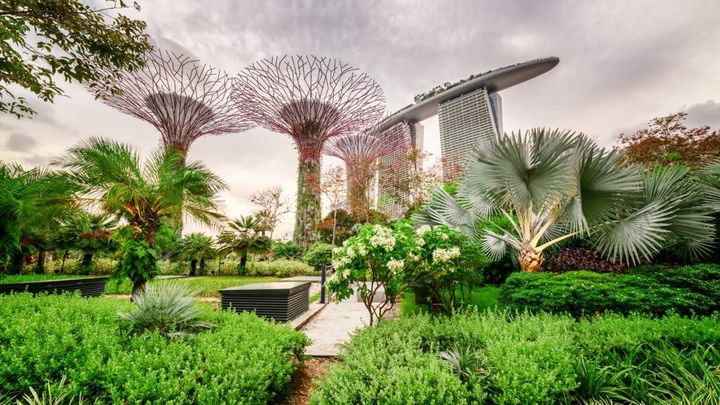
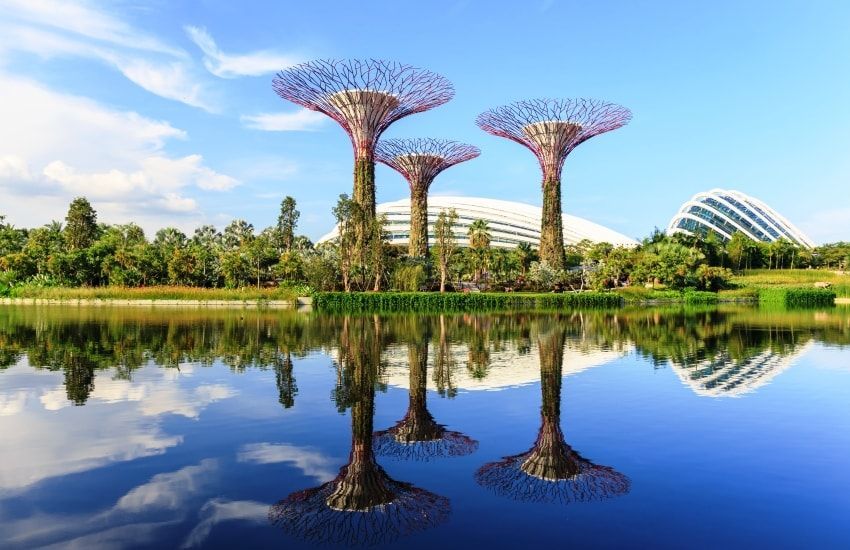
Supertree Grove – Vertical gardens ranging from 25 to 50 meters tall
-
Flower Dome – A climate-controlled conservatory featuring Mediterranean and semi-arid plants
-
Cloud Forest – A cooled conservatory with a tall indoor waterfall and tropical highland plants
-
Themed outdoor gardens, lakes, and walking trails
The purpose of Gardens by the Bay extends beyond recreation. It demonstrates how advanced greenhouse technology and sustainable urban development can coexist with tourism infrastructure.
Importance – Why This Destination Matters Today
Gardens by the Bay plays a significant role in urban sustainability, environmental education, and tourism management.
Singapore is a highly urbanized city-state with limited land resources. Large-scale green infrastructure helps address:
-
Urban heat island effects
-
Air quality concerns
-
Limited biodiversity in built-up areas
-
Public access to recreational spaces
The conservatories use energy-efficient cooling systems and rainwater harvesting methods. The Supertrees function as vertical gardens, some equipped with solar panels that support nighttime lighting.
Below is a simplified comparison of key features inside the two main conservatories:
| Feature | Flower Dome | Cloud Forest |
|---|---|---|
| Climate Type | Mediterranean, semi-arid | Tropical highland |
| Key Attraction | Seasonal floral displays | Indoor waterfall |
| Temperature | Cool and dry | Cool and humid |
| Educational Focus | Global plant species | Climate change awareness |
The park attracts millions of visitors annually, contributing to Singapore’s tourism economy while maintaining an educational focus on biodiversity and climate resilience.
For travelers planning a Singapore travel guide itinerary, Gardens by the Bay is often combined with nearby landmarks such as Marina Bay Sands and Merlion Park due to its central location.
Recent Updates and Developments
In recent months, Gardens by the Bay has continued expanding its horticultural exhibits and sustainability initiatives. Updates have included:
-
Refreshed seasonal floral displays in the Flower Dome
-
Enhanced educational exhibits in Cloud Forest focusing on climate science
-
Upgraded digital ticketing systems to streamline visitor flow
-
Expanded biodiversity programs supporting pollinators and native plant species
Visitor capacity management has also been refined to improve crowd distribution during peak tourism periods.
Gardens by the Bay regularly collaborates with global botanical institutions to rotate plant collections and improve conservation research. These partnerships contribute to global discussions on sustainable tourism development and environmental education.
Laws and Policies Influencing Gardens by the Bay
Singapore’s environmental and urban planning framework significantly shapes the management of Gardens by the Bay.
Key policy areas include:
-
Urban redevelopment planning regulations
-
Environmental sustainability guidelines
-
Public park usage regulations
-
Safety and event management standards
The project aligns with national green planning strategies that promote biodiversity corridors and energy-efficient infrastructure.
Strict environmental standards guide:
-
Waste management
-
Water recycling systems
-
Energy consumption efficiency
-
Preservation of plant species
Public conduct within the gardens is governed by park management rules designed to protect plant life and maintain public safety. These include restrictions on littering, damaging plants, and unauthorized commercial activities.
Such regulatory oversight ensures that Gardens by the Bay remains both an ecological showcase and a responsibly managed tourism asset.
Tools and Resources for Visitors
Planning a visit can be made easier using digital tools and travel resources. Helpful options include:
-
Official Gardens by the Bay website for attraction information
-
Singapore tourism portals for transport and itinerary planning
-
Public transportation apps covering MRT and bus routes
-
Interactive maps available on-site
-
Weather forecast apps for outdoor planning
-
Travel budgeting spreadsheets for trip organization
Below is a simple planning checklist table:
| Planning Area | Suggested Resource |
|---|---|
| Transport | MRT route planner |
| Tickets | Official attraction portal |
| Weather | Local forecast app |
| Navigation | Interactive garden map |
| Event Updates | Official announcements page |
Visitors often use online itinerary planners to combine Gardens by the Bay with nearby attractions in Marina Bay. Since Singapore’s public transportation system is efficient, many travelers rely on the MRT network for access.
Practical Visitor Tips
While Gardens by the Bay is accessible year-round, consider these practical points:
-
Early mornings and weekday afternoons tend to be less crowded
-
Indoor conservatories maintain cool temperatures; light outerwear may be useful
-
Evening visits allow viewing of the Supertree light display
-
Comfortable footwear is recommended due to extensive walking paths
-
Hydration is important in Singapore’s humid climate
Photography is permitted in most public areas, though tripods may be restricted in certain indoor spaces.
Frequently Asked Questions
What is the best time to visit Gardens by the Bay?
Mornings and late afternoons generally offer more comfortable temperatures and reduced crowd density. Evening visits allow viewing of illuminated Supertrees.
How long should visitors plan to spend there?
A typical visit lasts 2 to 4 hours, depending on whether both conservatories and outdoor gardens are explored.
Is Gardens by the Bay suitable for families?
Yes. The park includes wide pathways, interactive exhibits, and open spaces suitable for visitors of different age groups.
Are the conservatories climate-controlled?
Yes. Both Flower Dome and Cloud Forest maintain controlled indoor climates designed to replicate specific ecosystems.
How accessible is the location?
The park is well connected via public transportation, including MRT stations and pedestrian bridges linking Marina Bay landmarks. Wheelchair-accessible routes are available.
Broader Impact on Sustainable Urban Development
Gardens by the Bay is often referenced in discussions about eco tourism Singapore and green infrastructure planning. It demonstrates how:
-
Vertical gardens can integrate into city skylines
-
Climate-controlled biodomes can educate the public
-
Renewable energy features can support urban attractions
The Supertrees are particularly notable for combining structural design with ecological function. Some Supertrees collect rainwater and support photovoltaic cells.
Below is a simplified representation of sustainability features:
| Sustainability Feature | Purpose |
|---|---|
| Solar Panels | Power for lighting systems |
| Rainwater Harvesting | Irrigation and water recycling |
| Energy-Efficient Cooling | Reduced energy consumption |
| Native Plant Displays | Biodiversity support |
Such features contribute to Singapore’s reputation for forward-thinking urban planning and climate adaptation strategies.
Conclusion
Singapore Gardens by the Bay represents a blend of horticulture, architecture, and environmental planning. Developed as part of a broader vision for sustainable urban growth, it offers educational value alongside recreational space.
Its Supertrees, climate-controlled conservatories, and waterfront setting make it one of the most recognized landmarks in Marina Bay.
Beyond its visual appeal, the project demonstrates how cities can integrate green infrastructure into dense urban environments. For travelers, students, and urban planning enthusiasts, Gardens by the Bay serves as both a destination and a case study in sustainable development.