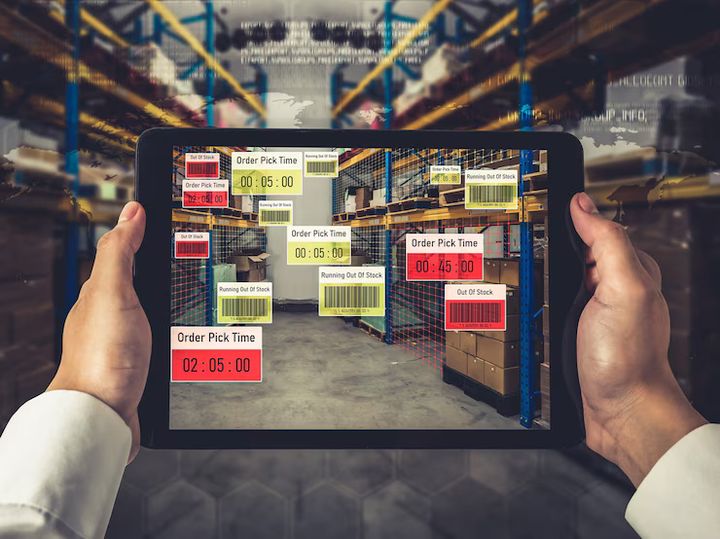
How Inventory Software Helps Reduce Errors and Improve Efficiency
Inventory management is the backbone of businesses that deal with physical objects. From shop shops and e-commerce platforms to warehouses and production facilities, ensures the tracking of shares accurately smooth operation. Traditionally, companies depended on manual record keeping or spreadsheets. As the supply chains expanded and customer demand increased, these methods often led to inefficiency and expensive errors.
This is where the warehouse software plays an important role. It is designed to automate stock tracking, monitor the product movement, generate reports and integrate with sales and supply chain systems. The goal is not only to be missing and avoided, but also to improve operations and improve the decision.
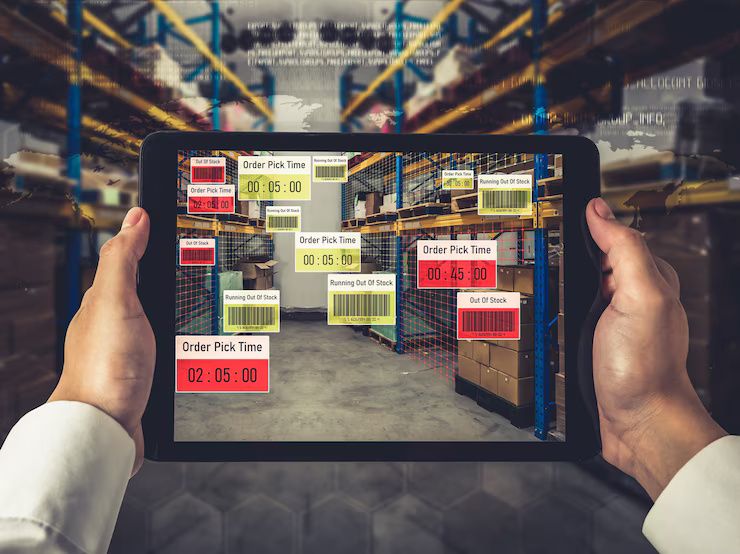
Importance
The importance of storage software spreads to industries and commercial sizes:
Reduction in errors: Storage numbers reduce manual errors in prices or reporting.
Operating efficiency: Provides real -time stock levels and supply needs.
Customer satisfaction: ensures time supply in time, avoids delay or cancellation.
Cost savings: Prevents overall or warehouses, adaptation of storage and waste reduction.
Decision support: Data -driven insight helps manage leaders to predict the plan for demand and plan purchase cycle.
For small dealers, this means that daily tracking is better. For large manufacturers or distributors, a scalable system is translated that can handle thousands of product lines and complex logistics.
Newer updates
Last year, many updates have shaped how storage software is used:
AI-operated prognosis (2023–2024): Many platforms now use artificial intelligence to predict demand patterns.
Integration with e-commerce: Cloud-based goods systems are quickly connected to Shopife, Amazon or Flip maps, offering real-time synchronization.
Mobile apps: The warehouse staff now uses smartphones and tablets for scanning, reducing the dependence on desktop-based systems.
Stability focus: Some systems include properties for drawing returns, recycling and environmentally friendly supply chain practices.
Member-based model: Several business mother-in-law (software-e-service) uses storage platforms for strength and flexibility.
These changes make storage management more accessible, especially for small and medium -sized businesses.
Laws or guidelines
Inventory management practices are often affected by economic and business rules:
Tax compliance: Many governments require an accurate inventory for goods and service fees (GST), value added tax or turnover tax reporting.
Import/export regulations: For adherence to the border, companies included in trade over a national trade should maintain an accurate commodity and.
Accounting standards: Financial framework such as IFRS or GAAP requires frequent inventory -value methods such as FIFO (first, first out) or Lifo (in the final, first out).
Sector-specific rules: In industries such as medicines or food, strict inventory tracking is mandatory to ensure product safety and quality.
Following these rules is easy with storage software, as it automatically automatically and generates the Compliance taire report.
Tools and resources
Many storage software solutions and accessory resources are available:
Popular storage platforms: Zoho Inventory, Tradegeko (QuickBook Commerce), Netssuit Erp, Odu, Fishboel.
Barcoding and scan tools: Zebra Technologies, integrated with Honeywell Scanner software.
E -commerce integration: Shopify, WooCommerce, Amazon Cells Central APIs.
Calculators and templates: Excel Inventory Template, Re -orer Point Calculator, Demand Prognosis Model.
Government resources: Local business bodies often publish checklists for tax and equity management.
These units vary by cost, complexity and goal industry, which allows companies to use solutions that meet their scale and needs.
Comparison of inventory software
| Software | Best For | Key Features | Limitation |
|---|---|---|---|
| Zoho Inventory | Small to medium firms | Multi-channel sales, automation | Limited for very large firms |
| NetSuite ERP | Large enterprises | Full ERP integration, advanced reports | Expensive, requires training |
| Odoo | Growing businesses | Modular apps, open-source flexibility | Needs customization |
| TradeGecko/QuickBooks Commerce | E-commerce stores | Order sync, accounting integration | Focused mainly on online sales |
| Fishbowl | Manufacturers | Barcode scanning, warehouse management | Less intuitive for beginners |
question to ask
Q1. What is stock software?
Inventory Software is a digital tool that helps companies trace, control and adapt to the warehouse level, ensuring accuracy and efficiency.
Q2. How to reduce inventory software errors?
These automatic processes such as stock updates, barcode scanning and sales synchronization reduce the possibility of human errors in manual data introduction.
Q3. Is inventory software just for large companies?
No. Many cloud -based solutions are cheap and are designed for small dealers and start -ups, such as Business Grows.
Q4. Which inventory can help with software compliance?
Yes. It leads an accurate item that can be used for tax, accounting and business compliance purposes.
Q5. Does the storage software integrate with e-commerce platform?
Most modern solutions are integrated with platforms such as Shopify, Amazon and WooCommerce, allowing real -time synchronization of the stock.
Final thoughts
Storage software is no longer a luxury, but a requirement in modern business operations. By reducing errors, improving efficiency and ensuring compliance, it helps companies to remain competitive in rapidly growing markets. With ongoing updates such as AI forecasts and availability of clouds, these devices will continue to develop as integrated organs of digital supply chains.
Companies that use the right storage software for their scale and sector receive benefits in accuracy, cost savings and customer satisfaction - all important elements in today's competitive landscapes.