How Coating Machines Improve Product Durability and Efficiency
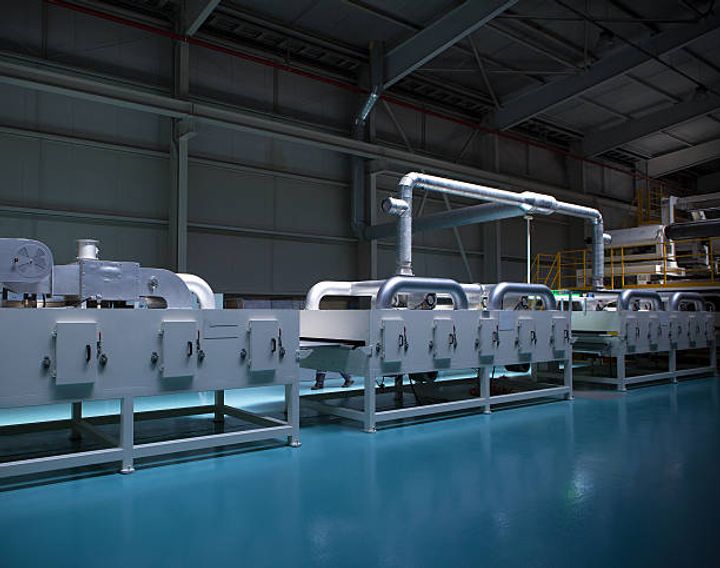
Coating machines are specific equipment used in the production industry to use a protective or functional layer of products. These coatings can meet various purposes such as preventing wear, adding moisture or resistance to chemicals or improving the general performance.
The term coating is not new - traditional methods such as painting, lacquer or spray have long been used. However, as industries became more complex and consumers' expectations developed, the need for accurate, stability and efficiency was motivated to develop advanced coating machines. Today, they are used in areas including motor vehicles, electronics, packaging, textiles and drugs.
Importance - why the coating machine means something today
Durability and efficiency are important for modern production lines. Without the right coating, many products are lowered quickly, and require frequent replacement or do not meet safety standards. Coating machines address these challenges, which ensure that products are preserved and stated.
Large benefits include:
Extended life of products: Protective coating reduces rust, friction and damage.
Better energy efficiency: In some cases, coatings reduce friction or increase thermal regulation and save energy.
Consistent quality: Automatic coating also ensures application, reduces errors.
Cost savings: Long -term products and low maintenance Low total production costs.
Sales -promoting appearance: Many coating products also improve aesthetics, making them more attractive to consumers.
Industries working on the use of high diverse, such as construction, motor vehicles or consumer electronics, are particularly dependent on coatings to ensure that their products can withstand stress over time.
Newer updates in coating technologies
Significant progress in coating machine technology has been observed over the years. Some of the most remarkable updates include:
Green and environmentally friendly coatings (2024–2025): Manufacturers use water -based and solvent -free coatings to meet stability goals.
Smart coating machines: Integration of IoT and AI allows machines to adjust real -time parameters for more efficient and accurate applications.
Nano technology coatings: Nano-cooking offers high levels of durability, scratch resistance and water replacements, especially for electronics and medical equipment.
Multifunctional coatings: Modern machines can use coatings that serve double purposes, such as providing thermal resistance and antimicrobial protection.
Fast production speed: Automatic system now offers high -speed applications, which help industries meet the increasing global demand without compromising on quality.
This innovation reflects the growing demand for products that not only last a long time, but also remembers efficiency and stability.
Laws and guidelines that form coating practice
Governments and regulatory bodies play an important role that is developed and implemented. Rules focus on both environmental protection and product quality.
Some remarkable examples include:
Environmental protection regulations: Many countries regulate volatile organic compounds used in coatings. The access structure of the US Environmental Protection Agency (EPA) and the EU implements strict control over harmful chemicals.
Professional security standards: agencies such as OSHA (Vocational Safety and Health Administration) determine the rules for activists in industries using coating machines.
ISO Standard: ISOs encourage standard producers such as 9001 (Quality Management) and ISO 14001 (Environmental Management) to maintain consistent and secure practice.
Industry-specific rules: For example, the pharmaceutical industry should follow the FDA rules when using protective coating on pills and capsules.
Fast, policies emphasize for low fading, durable and safe coating processes, and touch on the manufacturers to use modern coating machines that meet the requirements for compliance.
Equipment and resources for coating solution
Business detection of coating machines and technologies can rely on a variety of resources to improve the decision.
| Tool / Resource | Purpose |
|---|---|
| Coating thickness gauges | Measure the uniformity and thickness of applied coatings |
| Energy consumption calculators | Estimate energy savings from efficient coating machines |
| Simulation software | Test coating performance virtually before production |
| ISO and ASTM guidelines | Provide standards for coating quality and safety |
| Industry associations (e.g., ACA – American Coatings Association) | Offer insights, reports, and training on coating practices |
| Automation and IoT dashboards | Monitor coating efficiency, reduce waste, and track compliance |
These help resource producers use best practices, remain obedient and meet the requirements for durability and efficiency.
question to ask
Which industries often use coating machines?
Coaters are widely used in motor vehicles, electronics, packaging, textiles, medical equipment and drugs. Each industry uses coatings to improve the product's durability, efficiency or safety.
Are modern coating machines environmentally friendly?
Yes. Recent innovations focus on reducing harmful emissions using water -based, solvent -free or powder coating.
How do coating machines improve the efficiency of production?
They automate the application process, reduce physical waste and ensure uniform coverage, which cuts reunification and increases the production rate.
Have small manufacturers benefit from coating machines?
Absolutely. While large -scale industries use advanced machines, small businesses also take compact or semi -automatic coating machines to improve product quality and meet compliance needs.
What are some future trends in coating technologies?
Emerging trends include smart coatings that react to more advanced Nanocostings designed for environmental changes, self -healing coating and extreme durability.
Final thoughts
Coating machines play an important role in modern production by improving both product or production efficiency. These machines become an important tool, with industries under pressure to create long -lasting, durable and high quality products.
In the form of innovations such as AI integration, environmentally friendly coatings and advances of nanotechnology, coating machines will continue to shape the future of production. Organizations that are compatible with these techniques not only improve competition, but also in accordance with regulatory requirements and stability goals.