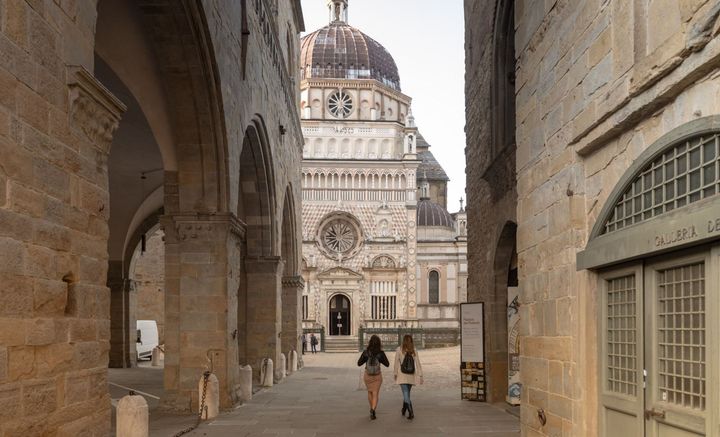
Historical City Walks Explained: Basics, Knowledge, and Helpful Details
Historical city walks are guided or self-guided walking routes designed to help people explore the past of a city through its streets, buildings, monuments, and public spaces. These walks connect physical locations with stories about culture, architecture, social change, and everyday life from earlier periods.
The idea exists because cities are living records of human history. Streets often follow ancient paths, buildings reflect different eras, and neighborhoods show how communities evolved over time. Historical city walks organize this information into a clear and accessible format so that visitors and residents can understand how a city became what it is today.

Unlike general sightseeing, these walks focus on learning and interpretation. They are often created by historians, urban planners, cultural institutions, or local communities to preserve knowledge and make heritage understandable without requiring academic training.
Common features include:
-
Clearly defined walking routes
-
Explanations of landmarks and hidden details
-
Emphasis on architecture, events, and daily life
-
A slow pace that encourages observation and reflection
Well-known examples can be found in cities such as Rome, Paris, London, and Jaipur, where layers of history are visible within short walking distances.
Importance: Why Historical City Walks Matter Today
Historical city walks matter because they help people engage with history in a direct and practical way. Instead of learning only from books or screens, participants experience history where it actually happened.
For cities facing rapid urban growth, these walks help protect cultural identity. They encourage awareness of historic neighborhoods and explain why certain areas or buildings are significant. This understanding can support conservation efforts and responsible urban planning.
They also benefit different groups:
-
Residents gain a deeper connection to their city
-
Students learn history in a real-world setting
-
Travelers understand local culture beyond surface-level attractions
-
Communities share stories that may not appear in textbooks
Historical city walks solve several common problems:
-
Loss of local historical knowledge
-
Lack of public awareness about heritage sites
-
Overcrowding at a few famous landmarks while other areas are ignored
-
Disconnection between modern life and historical context
By spreading attention across multiple locations, these walks promote balanced exploration and thoughtful movement through urban spaces.
Recent Updates: Trends and Developments in Historical City Walks
In recent times, historical city walks have evolved in response to technology, accessibility needs, and changing travel habits. Many cities have expanded digital formats that allow people to follow routes using mobile devices, audio narration, and interactive maps.
Another noticeable trend is the inclusion of social history. Instead of focusing only on major monuments, walks now highlight:
-
Local markets and streets
-
Residential architecture
-
Stories of workers, artists, and everyday citizens
There is also growing interest in theme-based walks, such as:
-
Architecture-focused routes
-
Cultural and literary walks
-
Urban development and planning histories
-
Heritage walks centered on food districts or craft areas
Smaller cities and towns are increasingly creating historical walking routes to document their heritage before it disappears due to redevelopment or environmental change.
Laws or Policies: How Rules and Guidelines Shape Historical City Walks
Historical city walks are influenced by heritage protection rules, urban planning guidelines, and public access policies. While specific regulations vary by region, most walks operate within frameworks designed to protect historical sites and ensure public safety.
Key policy-related factors include:
-
Protection of listed or preserved buildings
-
Restrictions on physical alterations to heritage areas
-
Guidelines for public signage and information boards
-
Rules governing group movement in sensitive locations
Many walks align with cultural preservation programs that aim to document and share intangible heritage, such as oral histories and traditional practices. These policies help ensure that historical interpretation remains accurate, respectful, and accessible without damaging physical structures.
Tools and Resources: Helpful Support for Historical City Walks
A wide range of tools and resources support the planning and enjoyment of historical city walks. These tools help users navigate routes, understand context, and manage time effectively.
Common tools and resources include:
-
Digital maps with walking route overlays
-
Audio guide applications with location-based playback
-
Heritage documentation websites and archives
-
Printable walking route templates
-
Urban history reference platforms
Below is an example of how tools support different needs:
| Purpose | Tool Type | Benefit |
|---|---|---|
| Navigation | Interactive maps | Clear route guidance |
| Learning | Audio narration | Hands-free historical context |
| Planning | Route planners | Time and distance estimation |
| Research | Digital archives | Deeper background knowledge |
These resources make historical city walks accessible to people with different learning styles and mobility preferences.
FAQs: Common Questions About Historical City Walks
What is the typical length of a historical city walk?
Most historical city walks range from one to three hours, depending on the number of stops and depth of information provided.
Do historical city walks require expert knowledge?
No. They are designed for a general audience and usually explain concepts in simple, clear language.
Are historical city walks suitable for all ages?
Yes. Many routes are suitable for families, students, and older participants, especially when the pace is flexible.
Can historical city walks be self-guided?
Yes. Many walks are designed for independent exploration using maps, audio guides, or printed materials.
Do historical city walks change over time?
Yes. Routes and interpretations are often updated as new research emerges or urban landscapes change.
Conclusion: Understanding Cities Through Historical Walks
Historical city walks provide a structured and meaningful way to understand urban history through direct experience. By combining movement, observation, and storytelling, they turn cities into open learning spaces.
These walks help preserve cultural knowledge, encourage thoughtful exploration, and create stronger connections between people and their surroundings. As cities continue to change, historical city walks remain an important method for documenting the past while engaging with the present.
By using clear routes, reliable resources, and well-researched interpretation, historical city walks continue to be a valuable educational tool for anyone interested in heritage, urban development, and cultural understanding.