Family River Rafting Overview: Discover Essential Knowledge, Advice, and Helpful Resources
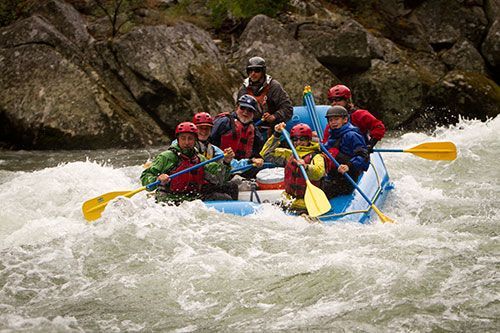
Family river rafting is a guided or self-guided outdoor activity where families travel together on rivers using inflatable rafts. It combines adventure tourism, water sports safety practices, and outdoor recreation planning. The experience is usually designed to match different skill levels, from calm scenic floats to moderately challenging rapids.
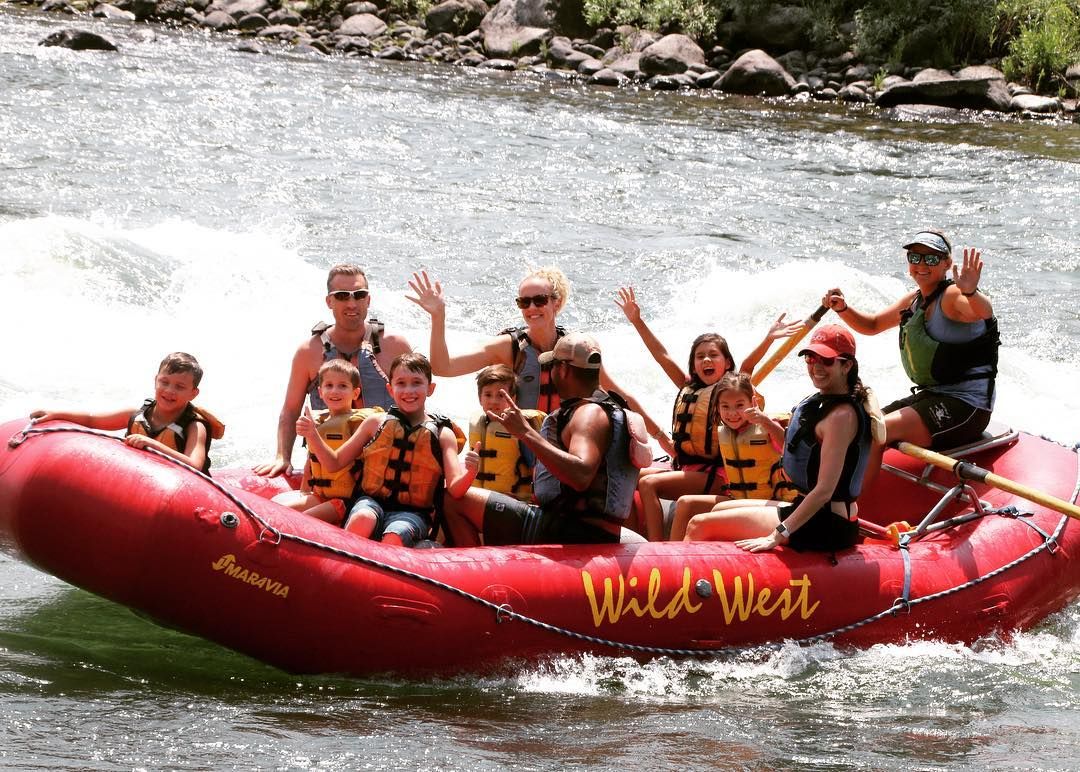
Rafting exists as both a recreational activity and part of the broader outdoor adventure travel industry. Rivers are classified by difficulty levels, commonly ranging from Class I (very gentle) to Class VI (extremely difficult and hazardous). Family rafting trips typically focus on Class I to Class III rapids, where safety measures and supervision are emphasize
The activity generally includes:
-
Safety briefings and instructions
-
Personal flotation devices (PFDs)
-
Helmets when required
-
Trained guides or instructors
-
Emergency preparedness equipment
Family river rafting has become part of eco-tourism and sustainable travel practices. Many rafting destinations are located near national parks, protected waterways, and conservation zones.
For example, destinations like the Colorado River, Zambezi River, and Ganges River are internationally known for rafting activities that combine nature exploration with structured safety systems.
Importance
Family river rafting matters today for several reasons related to health, recreation, and environmental awareness.
First, it encourages physical activity. Outdoor recreation supports cardiovascular fitness, teamwork, and coordination. Unlike screen-based entertainment, rafting requires real-time participation and cooperation.
Second, it strengthens family bonding. Because rafting requires teamwork—paddling in sync, following instructions, and navigating obstacles—it promotes communication and shared responsibility.
Third, rafting contributes to local tourism economies in many regions. River-based tourism supports infrastructure development, environmental conservation initiatives, and outdoor education programs.
Fourth, safety awareness has become increasingly important. Water sports safety standards, risk assessment protocols, and travel insurance coverage considerations are now central parts of outdoor adventure planning.
The table below shows common rafting classifications and their general suitability for families:
| Rapid Class | Water Conditions | Skill Level | Family Suitability |
|---|---|---|---|
| Class I | Calm, slow-moving | Beginner | Highly suitable |
| Class II | Small waves, clear passages | Beginner to intermediate | Suitable with guidance |
| Class III | Moderate waves, some obstacles | Intermediate | Suitable for older children |
| Class IV+ | Powerful rapids | Advanced | Not recommended for families |
Family rafting helps address several modern concerns:
-
Reduced physical activity in children
-
Limited exposure to natural environments
-
Lack of outdoor skill development
-
Growing interest in sustainable tourism
Because of these factors, family river rafting is often discussed within outdoor adventure planning, travel insurance comparison research, and eco-tourism regulation frameworks.
Recent Updates
In recent months, several trends have influenced family river rafting and the broader outdoor recreation sector.
Increased Safety Standardization
Many rafting associations and outdoor regulatory bodies have updated river safety guidelines, including enhanced helmet requirements and standardized guide certification systems. Some regions have adopted digital waiver systems and online risk disclosure forms.
Growth of Eco-Tourism Policies
Environmental agencies have introduced stricter river conservation rules to reduce ecological impact. These include limits on daily raft numbers in protected zones and improved waste management systems.
Digital Mapping and Weather Integration
Advanced river-level monitoring systems and mobile weather tracking tools have improved trip planning. Real-time water flow data is now accessible in many rafting destinations, helping families assess river conditions before planning travel.
Health and Emergency Preparedness
Outdoor recreation policies have incorporated stronger emergency response protocols, including remote communication devices and GPS tracking for guided expeditions.
The chart below illustrates key focus areas in recent rafting management practices:
Safety Enhancements: ██████████
Environmental Protection: ████████
Digital Planning Tools: ███████
Training & Certification: █████████
These developments reflect a shift toward structured, regulated, and environmentally conscious rafting experiences.
Laws or Policies
Family river rafting is influenced by national waterway regulations, environmental protection laws, and outdoor recreation safety standards.
Common regulatory areas include:
-
Mandatory life jacket usage
-
Certified guide requirements for commercial rafting
-
Age restrictions for certain rapid classifications
-
Environmental impact rules
-
River access permits
Many countries regulate rafting operations under environmental conservation frameworks and public safety acts. Waterway authorities may control river traffic, seasonal access, and permitted rafting zones.
For example:
-
The National Park Service oversees rafting activities in designated national parks.
-
The International Rafting Federation establishes global rafting competition and training standards.
Typical policy requirements may include:
-
Risk management documentation
-
Insurance compliance
-
Emergency rescue coordination
-
Environmental waste controls
Families planning rafting trips are encouraged to review official river safety guidelines and confirm compliance with local environmental policies before traveling.
Tools and Resources
Planning a safe and educational rafting experience often involves research tools and preparation resources.
Helpful categories include:
River Level Monitoring Platforms
Many river authorities publish daily flow rates and flood warnings. These platforms help determine if conditions are suitable for family rafting.
Weather Tracking Applications
Accurate weather forecasting tools reduce exposure to sudden storms or unsafe river surges.
Outdoor Safety Apps
Some mobile applications provide GPS tracking, emergency contact alerts, and offline navigation maps.
Travel Insurance Comparison Tools
Adventure travel insurance calculators help families review policy coverage for water sports activities. These tools clarify exclusions related to rafting classifications.
Rafting Equipment Checklists
Digital checklists help families prepare items such as:
-
Waterproof dry bags
-
Quick-dry clothing
-
Sunscreen and UV protection
-
First aid kits
-
Water-resistant footwear
Educational Resources
Outdoor recreation websites, environmental conservation portals, and river safety guideline publications provide structured learning materials about rafting techniques and ecological awareness.
Families may also consult official tourism websites for updated safety advisories and river classification information.
Frequently Asked Questions
What age is appropriate for family river rafting?
Age suitability depends on river classification and local regulations. Many family-friendly rafting trips allow children from around 6–8 years old on Class I or II rivers. Higher classifications may require older participants.
Is family river rafting safe?
When conducted on appropriate river classes with proper equipment and certified guides, rafting is generally considered a controlled recreational activity. Safety briefings and protective gear significantly reduce risk.
What should families wear during rafting?
Quick-dry clothing, secure footwear, and sun protection are recommended. Life jackets and helmets should meet recognized safety standards.
How can families check river conditions?
River authority websites, weather tracking apps, and water flow monitoring platforms provide updated river levels and safety advisories.
Do environmental regulations affect rafting trips?
Yes. Protected waterways may have daily participant limits, seasonal restrictions, and waste management requirements to protect ecosystems.
Conclusion
Family river rafting is an outdoor adventure activity that combines recreation, teamwork, and environmental awareness. It exists within structured safety guidelines, environmental protection policies, and regulated waterway systems.
Today, its importance extends beyond recreation. It contributes to physical well-being, strengthens family collaboration, and supports eco-tourism initiatives. Recent updates in digital river monitoring, standardized safety certifications, and conservation regulations have improved the overall framework for responsible rafting.