Explore Pink Diamond Rings: A Complete Guide with Tips, Facts, and Expert Insights
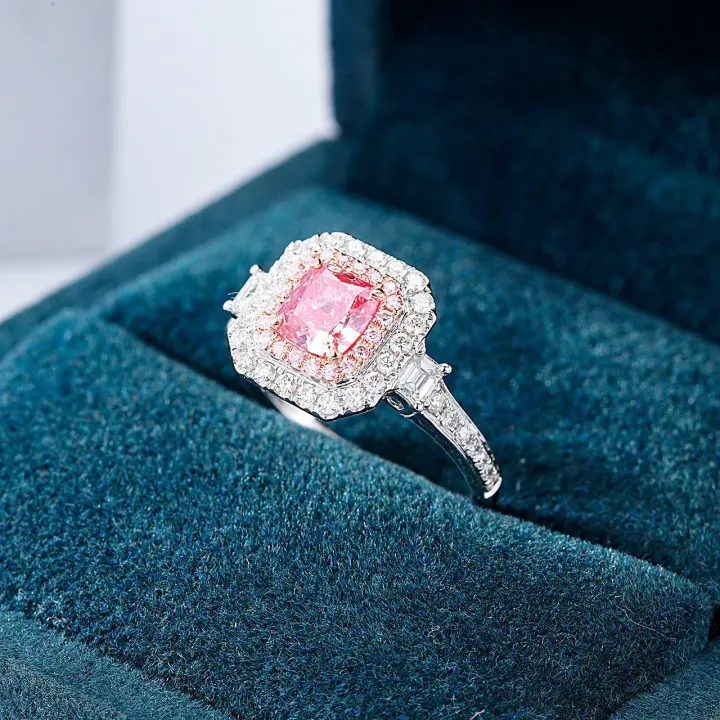
Pink diamond rings feature natural or laboratory-grown diamonds that display a pink hue due to unique structural changes within the crystal lattice. Unlike colorless diamonds, which are graded mainly on clarity and cut, pink diamonds are categorized as “fancy color diamonds,” meaning their value and classification depend heavily on color intensity and tone.
These diamonds exist because of rare geological conditions. During their formation deep within the Earth, extreme pressure alters the diamond’s atomic structure, producing light absorption patterns that create pink coloration. The result is a gemstone that appears in shades ranging from faint blush to vivid magenta.
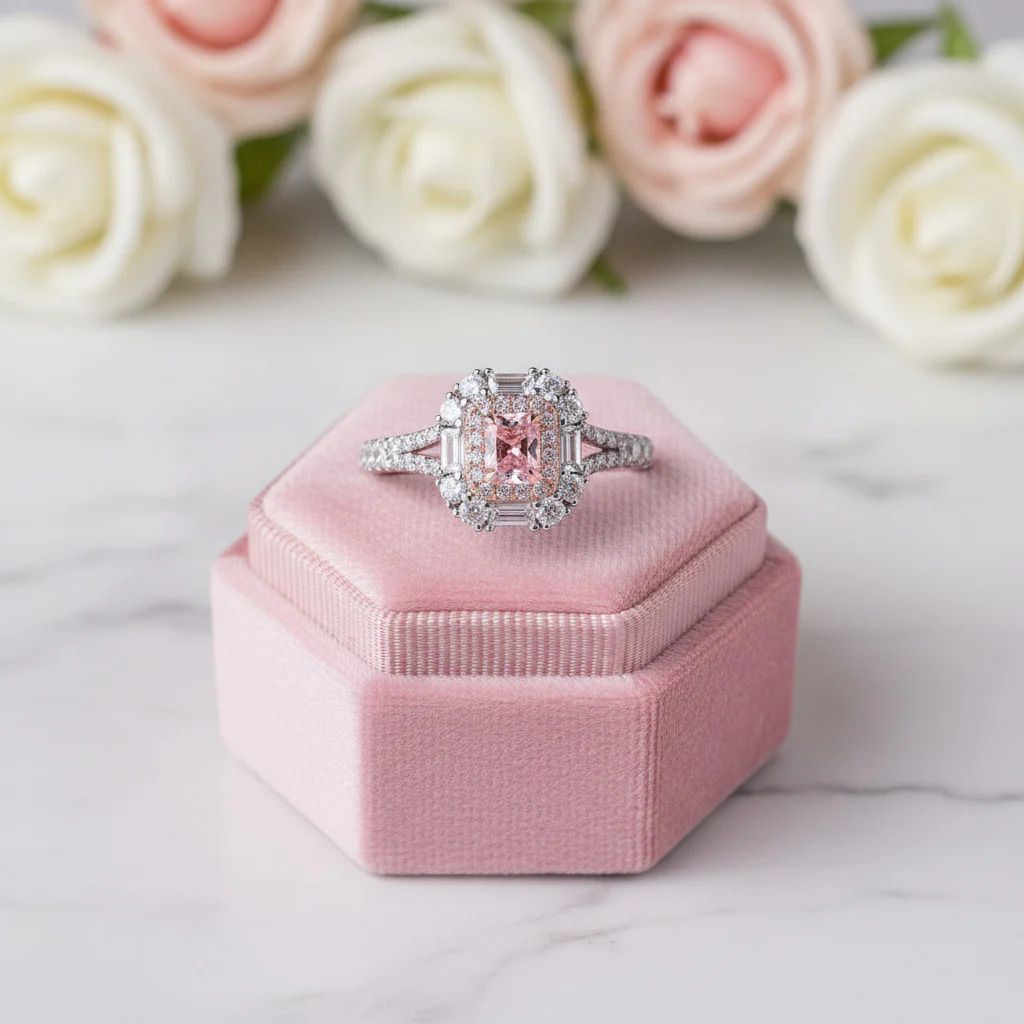
Pink diamond rings are commonly designed for milestone occasions, but they are also studied in gemology due to their rarity. Their presence in high-profile auctions and museum collections has increased public awareness about fancy color diamonds in general.
From a technical standpoint, pink diamonds are graded differently from colorless stones. Laboratories such as the Gemological Institute of America use terms like:
-
Fancy Light Pink
-
Fancy Pink
-
Fancy Intense Pink
-
Fancy Vivid Pink
The color scale focuses on saturation and brightness rather than alphabetical grading.
Below is a simplified comparison of color grading focus:
| Diamond Type | Primary Grading Factor | Secondary Factors |
|---|---|---|
| Colorless Diamond | Clarity and Cut | Color (D–Z scale) |
| Pink Diamond | Color Intensity | Clarity and Cut |
This distinction explains why pink diamond rings are evaluated differently from traditional white diamond jewelry.
Importance – Why Pink Diamond Rings Matter Today
Pink diamond rings are significant for several reasons related to rarity, investment research, design trends, and consumer education.
First, natural pink diamonds are among the rarest gemstones in the world. A limited global supply has made them an important case study in gemstone scarcity and long-term value trends. Researchers and analysts in the luxury goods sector often use pink diamonds as examples when discussing alternative asset classes and tangible assets.
Second, the growing awareness of ethical sourcing has increased interest in traceability and laboratory-grown alternatives. Many consumers today seek clarity about origin, sustainability standards, and certification processes. Pink diamonds are frequently part of this discussion because historically, a large portion of the world’s supply came from a single mining region.
Third, pink diamond rings have influenced jewelry design innovation. Designers experiment with:
-
Rose gold settings to complement pink hues
-
Halo settings to enhance color perception
-
Mixed gemstone arrangements for contrast
-
Vintage-inspired cuts such as cushion and radiant
These design adaptations demonstrate how gemstone characteristics shape jewelry craftsmanship.
Fourth, pink diamonds highlight the importance of gemstone education. Without knowledge of grading systems, fluorescence, undertones, and certification, it can be difficult to evaluate quality accurately. As a result, educational resources, gemology courses, and digital tools have become more widely used.
A simplified rarity illustration:
| Diamond Color | Relative Rarity (Conceptual Scale) |
|---|---|
| White | Common |
| Yellow | Less Common |
| Blue | Rare |
| Pink | Extremely Rare |
This conceptual comparison helps explain why pink diamonds attract academic and industry attention.
Recent Updates – Industry and Market Developments
In recent years, several developments have shaped the pink diamond landscape.
One of the most discussed events was the closure of the Argyle mine in Western Australia, historically responsible for producing a large share of the world’s natural pink diamonds. The closure significantly reduced primary supply, influencing global awareness about scarcity.
Laboratory-grown pink diamonds have also advanced in quality and availability. Improvements in High Pressure High Temperature (HPHT) and Chemical Vapor Deposition (CVD) techniques allow for more consistent color control. As a result, laboratory-created pink diamonds now display stronger saturation levels compared to earlier generations.
Auction records for rare pink diamonds have continued to attract international attention. High-profile gemstones such as the Pink Star have demonstrated how vivid pink diamonds can reach notable valuation benchmarks in global auctions.
Digital verification has also expanded. Blockchain-based gemstone tracking platforms are being explored by industry groups to improve transparency in sourcing and certification documentation.
Another important update involves sustainability reporting. Several jewelry industry organizations now publish responsible sourcing guidelines, encouraging traceability and environmental accountability in gemstone production.
Laws or Policies – Regulatory and Ethical Frameworks
Pink diamond rings, like all diamond jewelry, are influenced by international regulations and compliance standards designed to prevent unethical trade.
The Kimberley Process Certification Scheme is a global initiative aimed at preventing conflict diamonds from entering the supply chain. Participating countries implement export and import controls to verify that rough diamonds are conflict-free.
In addition to the Kimberley Process, many nations enforce:
-
Customs documentation requirements
-
Hallmarking standards for precious metals
-
Consumer protection regulations for gemstone disclosure
-
Mandatory clarity on natural vs. laboratory-grown classification
For example, consumer protection laws often require clear labeling to distinguish laboratory-grown diamonds from natural diamonds. Failure to disclose origin may violate advertising or trade regulations.
Environmental compliance policies may also apply to mining operations, including:
-
Land rehabilitation requirements
-
Water usage monitoring
-
Worker safety regulations
These frameworks aim to promote ethical sourcing, transparency, and environmental responsibility in the gemstone industry.
Tools and Resources – Helpful Platforms and References
Several tools and resources can help individuals understand pink diamond rings more effectively.
Gemological Certification Laboratories
-
Gemological Institute of America (GIA)
-
International Gemological Institute (IGI)
-
HRD Antwerp
These organizations provide grading reports that document color intensity, clarity, cut, and authenticity.
Online Diamond Education Platforms
-
GIA’s educational portal
-
Gemology research journals
-
Jewelry industry association websites
Color Comparison Charts
Visual grading guides help interpret the difference between Fancy Light and Fancy Vivid classifications.
Ring Size Measurement Tools
Printable ring size guides and digital measurement apps help ensure accurate sizing before finalizing a design.
Diamond Price Index Trackers
Market analytics platforms provide data on historical price movements of fancy color diamonds, useful for research and comparison.
Below is a conceptual visual representation of color intensity progression:
Light Pink → Fancy Pink → Fancy Intense → Fancy Vivid
As intensity increases, saturation becomes stronger and more visually pronounced.
FAQs – Common Questions About Pink Diamond Rings
What causes a diamond to appear pink?
Pink coloration is caused by structural distortions in the diamond’s crystal lattice. These distortions affect how light passes through the stone, producing a pink hue.
Are pink diamonds always natural?
No. Pink diamonds can be natural or laboratory-grown. Certification reports specify origin and whether the color is natural or enhanced.
How are pink diamonds graded differently from white diamonds?
Pink diamonds are graded based on color intensity and saturation rather than the alphabetical D–Z scale used for colorless diamonds.
Why are pink diamonds considered rare?
Natural pink diamonds form under specific geological conditions that are uncommon. Historically, only a few mines produced them in significant quantities.
Do pink diamonds fade over time?
Natural pink diamonds do not typically fade. However, treated stones may behave differently depending on the enhancement method used.
Conclusion
Pink diamond rings represent a distinctive category within the broader diamond industry. Their rarity, geological formation, grading complexity, and evolving market dynamics make them an important subject for both consumers and researchers.
Understanding how color intensity influences classification, how regulatory frameworks promote ethical sourcing, and how modern technology enhances transparency can help individuals make informed decisions. With the growth of laboratory-created alternatives and increased sustainability awareness, pink diamonds continue to shape discussions about innovation, traceability, and gemstone education.