Discover Desert Camping Under Stars: Overview, Basics, and Helpful Insights
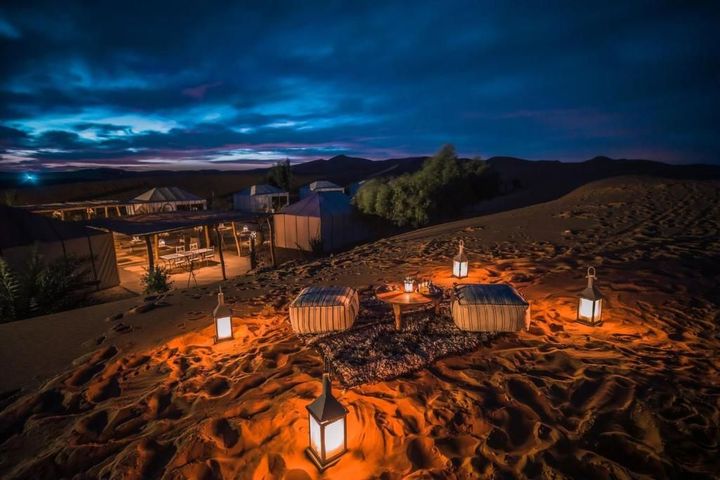
Desert camping under stars refers to spending nights in arid landscapes while observing the natural night sky. Unlike forest or mountain camping, desert environments provide wide-open horizons and minimal light pollution, making them ideal for stargazing and astronomy-based outdoor recreation.
This form of outdoor adventure travel planning has grown as people seek immersive nature experiences away from city noise and artificial lighting. Deserts, with their dry climate and clear atmospheric conditions, often offer excellent visibility of constellations, planets, and meteor showers.
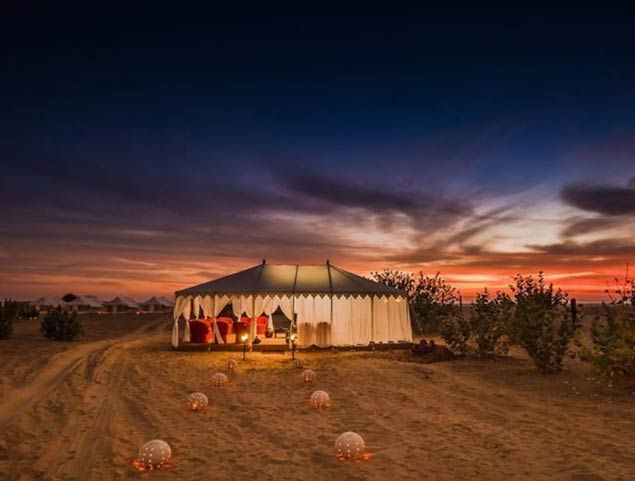
In places such as the Sahara Desert, Thar Desert, Atacama Desert, and Wadi Rum, travelers commonly camp in tents or designated desert campsites. These regions are known for vast sand dunes, rocky plateaus, and exceptionally clear night skies.
Historically, desert travel was linked to trade routes and nomadic lifestyles. Today, it serves educational, recreational, and scientific purposes. Many astronomy enthusiasts use desert environments for night sky photography and celestial observation.
Importance: Why Desert Stargazing and Camping Matter Today
Desert camping under stars is relevant in modern outdoor recreation for several reasons.
First, it supports sustainable travel and eco-friendly camping practices. Desert environments, when respected, allow low-impact travel experiences that promote environmental awareness. Campers often learn about water conservation, heat management, and Leave No Trace principles.
Second, it addresses the growing issue of light pollution. According to global astronomy studies, urban lighting reduces visibility of celestial objects. Remote deserts offer a natural solution for dark-sky observation.
Third, it contributes to mental well-being. Outdoor adventure travel planning that includes quiet, remote settings can reduce stress and improve focus. Stargazing encourages mindfulness and a deeper connection with natural cycles.
Fourth, desert survival basics teach resilience and preparation. Campers learn about hydration strategies, temperature changes between day and night, and safe navigation in open landscapes.
Below is a comparison of typical environmental factors between desert camping and forest camping:
| Feature | Desert Camping | Forest Camping |
|---|---|---|
| Day Temperature | High heat | Moderate |
| Night Temperature | Can drop sharply | Mild to cool |
| Light Pollution | Very low | Variable |
| Water Sources | Limited | Often available |
| Sky Visibility | Excellent | Partially blocked by trees |
The table shows why deserts are especially valued for astronomy camping tips and night sky photography.
Recent Updates and Trends in Desert Camping and Stargazing
Interest in dark-sky tourism has expanded over the past year. Environmental organizations have continued to highlight the importance of protecting night skies through dark-sky reserves and conservation programs.
Satellite technology improvements have also influenced desert camping. GPS-based navigation apps now provide more accurate terrain mapping, helping campers safely explore remote areas.
Climate discussions have increased awareness about fragile desert ecosystems. Travel advisories and environmental guidelines have emphasized responsible camping behavior to reduce habitat disruption.
Astronomy events such as meteor shower peaks and planetary alignments have also driven seasonal desert travel. Amateur astrophotography communities have grown, sharing night sky photography techniques and astronomy camping tips across digital platforms.
Additionally, lightweight solar-powered equipment has become more common. Portable solar chargers, LED lanterns with low light pollution settings, and compact weather monitoring tools are now frequently included in desert survival basics checklists.
Laws or Policies Affecting Desert Camping
Desert camping is influenced by environmental regulations and land management policies. While specific rules vary by country and region, several general principles apply.
Protected desert areas often fall under national park systems or conservation authorities. In such areas, camping may be restricted to designated zones to prevent damage to wildlife habitats and plant life.
Common regulatory themes include:
-
Restrictions on campfires to prevent wildfires
-
Limits on vehicle access to protect sand dunes and fragile soil
-
Waste disposal requirements following Leave No Trace principles
-
Permits for overnight stays in protected reserves
-
Regulations regarding drone usage for photography
Dark-sky reserves and protected astronomical observation zones may also impose lighting restrictions. Campers are often required to use low-intensity, shielded lighting to minimize environmental impact.
Environmental compliance supports sustainable tourism and preserves desert landscapes for future research and recreation.
Tools and Resources for Safe Desert Camping and Stargazing
Proper preparation is central to desert survival basics and safe outdoor adventure travel planning. Several digital tools and resources assist campers in organizing their trip.
Navigation and Mapping Tools
-
GPS navigation apps with offline maps
-
Topographic map platforms
-
Satellite imagery viewers
Astronomy and Stargazing Apps
-
Stellarium
-
SkySafari
-
Google Sky
These applications help identify constellations, track planetary movements, and plan meteor shower observations.
Weather Monitoring Resources
-
National meteorological department websites
-
Wind and temperature forecasting apps
-
UV index trackers
Safety and Preparation Checklists
A basic desert camping checklist may include:
-
Adequate water supply
-
Sun protection (hat, sunscreen, sunglasses)
-
Layered clothing for temperature changes
-
First aid kit
-
Portable solar charger
-
Red-light headlamp for astronomy observation
-
Compass and printed maps
Frequently Asked Questions
What makes deserts ideal for stargazing?
Deserts typically have low humidity, minimal cloud cover, and limited artificial lighting. These conditions improve visibility of celestial objects, making them suitable for astronomy camping experiences.
Is desert camping safe for beginners?
It can be safe if proper preparation is followed. Understanding desert survival basics such as hydration, navigation, and temperature management is essential. Beginners should research local guidelines and inform others about their travel plans.
How much water should a camper carry?
Water needs depend on temperature and activity level. Outdoor safety experts generally recommend carrying more water than expected due to limited natural sources in desert areas.
Are campfires allowed in desert regions?
Rules vary by region. Many protected deserts restrict or prohibit open fires due to wildfire risks and environmental protection policies. Always check local regulations before planning.
What equipment improves night sky photography?
A tripod, wide-angle lens, manual camera settings, and a red-light headlamp are helpful. Astronomy apps such as Stellarium assist in identifying the Milky Way and planning exposure timing.
Conclusion
Desert camping under stars combines outdoor adventure travel planning with environmental awareness and astronomy exploration. The open landscapes of deserts provide unique opportunities to observe celestial phenomena while learning practical desert survival basics.
With growing interest in dark-sky preservation and eco-friendly camping practices, this activity highlights the importance of responsible travel. Understanding regulations, using reliable navigation tools, and preparing for temperature changes are key components of a safe and meaningful experience.