Cylindrical Grinding Machines: Complete Guide, Basics, and Practical Insights
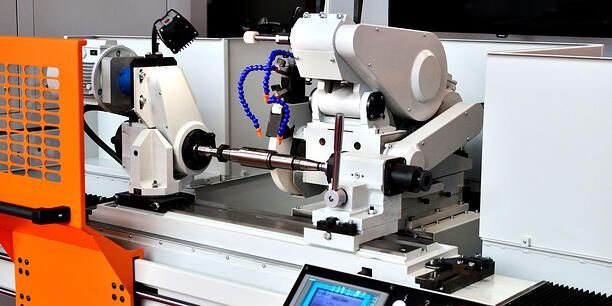
Cylindrical grinding machines are specialized industrial manufacturing equipment used to shape and finish cylindrical components with high precision. These machines remove small amounts of material from a rotating workpiece using an abrasive grinding wheel. The result is a smooth surface finish and tight dimensional accuracy.
The need for cylindrical grinding machines arose from the demand for precision machining in engineering industries. Components such as shafts, rods, bearings, and spindles must meet strict tolerance levels. Traditional machining methods like turning or milling often cannot achieve the same level of surface finishing process accuracy.
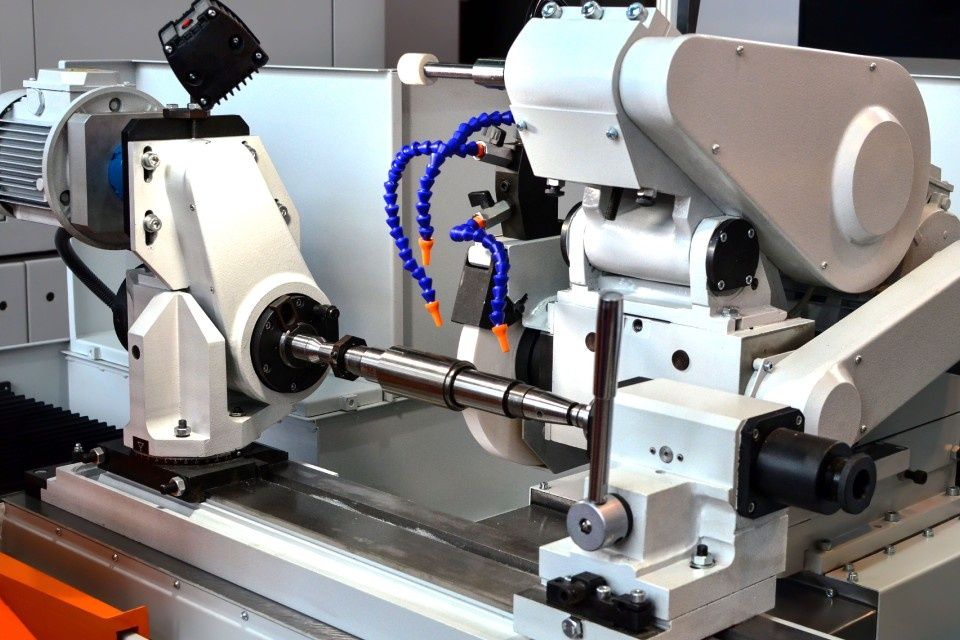
In modern metal fabrication technology, cylindrical grinding is considered a critical part of advanced machining solutions. It supports industries that rely on high precision engineering, including automotive systems, aerospace components, heavy machinery, and industrial equipment manufacturing.
There are two main types of cylindrical grinding processes:
-
External cylindrical grinding: Used for outer surfaces of cylindrical parts
-
Internal cylindrical grinding: Used for inner bores and internal surfaces
Some machines are manual, while others are CNC grinding machines that operate with digital controls and automation.
Why Cylindrical Grinding Machines Matter Today
In today’s precision-driven industrial environment, cylindrical grinding machines play a vital role in ensuring component accuracy and reliability.
Modern manufacturing requires:
-
Tight dimensional tolerances
-
High surface quality
-
Repeatable production standards
-
Compatibility with automation systems
Precision machining directly impacts product performance. For example, rotating shafts in engines or turbines must be perfectly balanced. Even minor deviations can cause vibration, wear, or system failure.
Industries affected by cylindrical grinding technology include:
-
Automotive manufacturing
-
Aerospace engineering
-
Industrial machinery production
-
Energy and power generation equipment
-
Tool and die manufacturing
The surface finishing process achieved through cylindrical grinding reduces friction, improves durability, and enhances operational efficiency. This makes it an essential step in advanced machining solutions.
Below is a simplified comparison of machining processes and achievable surface finish:
| Machining Process | Typical Surface Finish (Ra µm) | Precision Level |
|---|---|---|
| Turning | 1.6 – 6.3 | Moderate |
| Milling | 0.8 – 3.2 | Moderate |
| Cylindrical Grinding | 0.1 – 1.6 | High |
| Superfinishing | 0.01 – 0.1 | Very High |
This table shows why cylindrical grinding machines are widely used when high precision engineering is required.
Recent Updates and Industry Trends
The cylindrical grinding machine sector has seen notable technological advancements in recent periods.
One major development is the integration of CNC grinding machines with digital control systems. These machines use programmable logic controllers and touchscreen interfaces to improve accuracy and repeatability.
Another important trend is smart manufacturing integration. Many industrial manufacturing equipment providers now design grinding machines compatible with:
-
IoT-based monitoring systems
-
Predictive maintenance software
-
Data analytics dashboards
-
Automated robotic loading systems
These advancements help reduce downtime and improve operational efficiency.
Sustainability has also become a focus. New grinding systems are designed to:
-
Minimize energy consumption
-
Optimize coolant usage
-
Reduce abrasive waste
-
Improve dust and particle control
In advanced machining solutions, hybrid machines that combine turning and grinding functions are gaining attention. This reduces setup time and enhances productivity in high precision engineering environments.
The chart below illustrates the growing role of automation in cylindrical grinding:
| Feature Integration Level | Traditional Machines | Modern CNC Machines |
|---|---|---|
| Manual Operation | High | Low |
| Automation Capability | Limited | Extensive |
| Digital Monitoring | Minimal | Advanced |
| Precision Repeatability | Moderate | High |
These trends show how cylindrical grinding machines continue evolving within metal fabrication technology.
Laws, Regulations, and Policy Considerations
Cylindrical grinding machines operate within regulated industrial frameworks. Various national and international safety and environmental regulations influence their design and usage.
Common regulatory areas include:
-
Occupational safety standards
-
Noise and vibration limits
-
Dust emission control requirements
-
Electrical safety compliance
-
Machinery guarding standards
Manufacturers must ensure that industrial manufacturing equipment follows mechanical safety norms and workplace protection guidelines. Operators are typically required to use protective equipment such as safety glasses and protective gloves.
Environmental policies also influence coolant management systems. Grinding processes often use cutting fluids, and regulations may require proper disposal or recycling procedures.
In many regions, compliance with industrial machinery directives ensures that cylindrical grinding machines meet standardized safety benchmarks. Certification systems help verify that equipment aligns with national manufacturing laws.
Additionally, workplace inspection authorities monitor machine guarding, emergency stop systems, and operator training procedures. This ensures safer use of precision machining systems.
Tools and Resources for Understanding Cylindrical Grinding
Several tools and resources can help engineers, students, and manufacturing professionals better understand cylindrical grinding machines.
Educational and Technical Resources:
-
Engineering textbooks on precision machining
-
Online manufacturing courses
-
Technical standards documentation
-
Machine simulation software
Digital Tools:
-
CNC programming software
-
CAD/CAM platforms for component design
-
Surface roughness calculators
-
Tolerance analysis tools
Industry Platforms:
-
Manufacturing research journals
-
Industrial automation forums
-
Technical webinars on advanced machining solutions
-
Standards organization websites
Below is a simplified example of a tolerance reference table used in high precision engineering:
| Component Type | Typical Diameter Tolerance |
|---|---|
| Automotive Shaft | ±0.01 mm |
| Bearing Seat | ±0.005 mm |
| Aerospace Spindle | ±0.002 mm |
These tools and reference materials support better decision-making in metal fabrication technology environments.
Frequently Asked Questions
What is the main purpose of a cylindrical grinding machine?
A cylindrical grinding machine is used to achieve high precision machining of cylindrical components. It improves dimensional accuracy and surface finishing beyond what standard turning processes can achieve.
What materials can be ground using cylindrical grinding machines?
These machines commonly process steel, stainless steel, cast iron, aluminum alloys, and certain hardened materials used in high precision engineering applications.
How is cylindrical grinding different from surface grinding?
Cylindrical grinding focuses on round components and rotating workpieces. Surface grinding, on the other hand, is typically used for flat surfaces and stationary components.
What is the role of CNC in cylindrical grinding?
CNC grinding machines use computerized controls to automate positioning, feed rates, and wheel movement. This enhances repeatability and precision in advanced machining solutions.
Why is coolant used in cylindrical grinding?
Coolant helps reduce heat generation, prevent thermal distortion, and extend grinding wheel life. It also improves surface finishing quality.
Conclusion
Cylindrical grinding machines are essential tools in modern industrial manufacturing equipment systems. They support precision machining by delivering accurate dimensions and smooth surface finishes for cylindrical components.
With growing demand for high precision engineering, the importance of cylindrical grinding continues to increase across industries. Technological advancements such as CNC integration, automation, and smart monitoring systems are shaping the future of advanced machining solutions.
Regulatory frameworks ensure safe operation and environmental responsibility, while digital tools and technical resources support effective implementation.