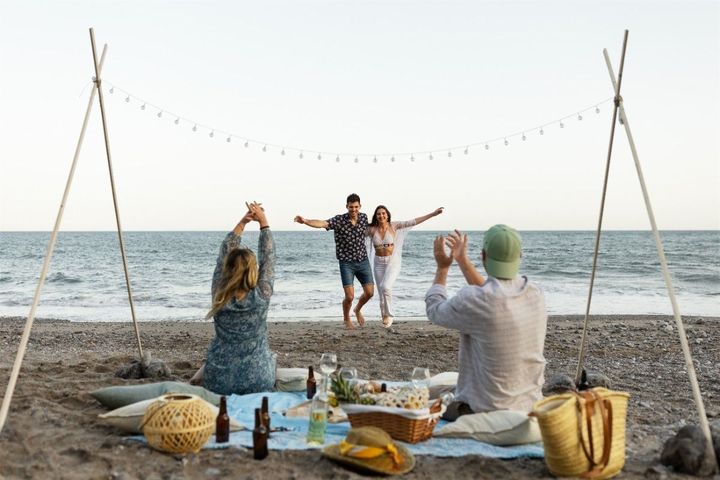
Beach Adventure Picnics Overview: Basics, Ideas & Helpful Tips
A beach adventure picnic combines the relaxed atmosphere of a seaside outing with light outdoor activities and thoughtful planning. Unlike a simple lunch by the shore, this type of picnic often includes exploration, games, water activities, photography, and mindful preparation for weather and environmental factors.
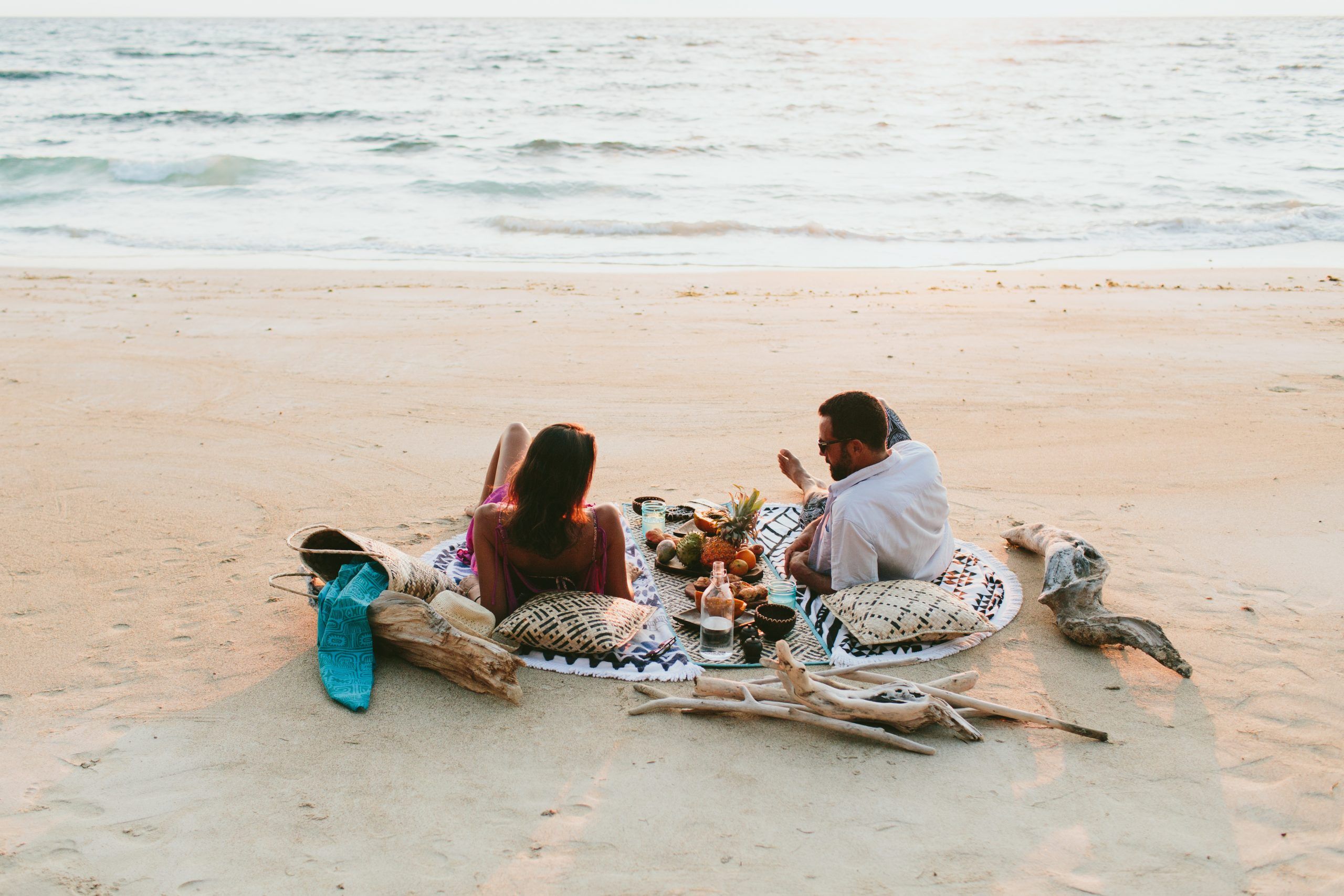
People organize beach picnics to spend time outdoors, connect with family or friends, and enjoy coastal scenery. Popular destinations such as Miami, Sydney, and Goa are known for combining sandy beaches with recreational options like swimming, beach sports, and scenic viewpoints.
Beach adventure picnics exist because they offer:
-
A balance between relaxation and activity
-
Access to natural coastal environments
-
Opportunities for outdoor recreation and mindful travel
-
A flexible format suitable for families, couples, and groups
The concept also aligns with modern interests in outdoor recreation, sustainable tourism, and wellness-focused travel experiences.
Importance
Beach adventure picnics matter today because lifestyles are increasingly digital and indoor-focused. Outdoor recreation helps people disconnect from screens and reconnect with nature.
Key reasons this topic is relevant include:
-
Growing interest in sustainable travel experiences
-
Focus on mental wellness and outdoor activities
-
Increased domestic tourism and local exploration
-
Rising awareness of environmental responsibility
Beach environments support activities such as:
-
Light hiking along coastal trails
-
Beach volleyball or frisbee
-
Swimming and shoreline exploration
-
Photography and nature observation
These outings affect a wide range of people:
-
Families seeking weekend activities
-
Students and young adults planning group gatherings
-
Remote workers balancing productivity and relaxation
-
Travelers exploring coastal destinations
Beach picnics also solve practical challenges such as:
-
Providing a structured yet flexible outdoor plan
-
Reducing reliance on indoor entertainment
-
Encouraging cost-conscious recreational planning without commercial entertainment
However, successful planning requires attention to weather, tide schedules, safety guidelines, and local regulations.
Recent Updates
Over the past year, several trends have influenced how people plan beach adventure picnics.
Outdoor Lifestyle Growth
Search interest in outdoor recreation planning and eco-friendly travel guides has increased across digital platforms. Many coastal communities report higher attendance in public beaches, especially during holiday periods.
Sustainability Awareness
Environmental campaigns promoting “Leave No Trace” principles have gained more visibility. Coastal cleanup events and awareness programs encourage visitors to reduce plastic waste and protect marine life.
Weather Tracking Tools
Improvements in weather forecasting apps now provide:
-
Real-time tide charts
-
UV index updates
-
Wind speed alerts
-
Coastal hazard notifications
These features help planners choose safer and more comfortable picnic times.
Digital Planning Resources
Interactive maps and satellite views allow users to check parking areas, walking trails, shaded zones, and nearby facilities before arriving.
Health and Safety Focus
Public health guidance continues to emphasize hydration, sun protection, and responsible crowd management in open spaces. Beaches remain attractive due to their open-air environment.
Laws or Policies
Beach adventure picnics are influenced by local regulations that vary by region. While policies differ, common regulatory themes include:
Public Beach Access Rules
-
Designated picnic areas
-
Time restrictions for access
-
Prohibited zones for environmental protection
Waste Management Policies
-
Mandatory disposal of trash
-
Restrictions on plastic usage in some regions
-
Fines for littering
Fire and Cooking Restrictions
-
Open flame limitations
-
Designated barbecue zones
-
Prohibition of fireworks in coastal areas
Wildlife Protection Guidelines
-
Avoid disturbing nesting birds
-
Maintain safe distance from marine animals
-
Restrictions on collecting shells or corals
Noise and Event Controls
-
Limits on amplified music
-
Permits required for large gatherings
Understanding these rules helps protect coastal ecosystems and ensures safe enjoyment for all visitors.
Tools and Resources
Planning a beach adventure picnic becomes easier with digital tools and structured resources.
Weather and Tide Tracking
-
AccuWeather
-
Windy
-
Tide Charts Near Me
These platforms provide wind forecasts, rainfall predictions, UV index levels, and tide timing.
Navigation and Mapping
-
Google Maps
-
AllTrails
They help identify beach entrances, parking spots, walking paths, and viewpoints.
UV and Sun Safety Monitoring
-
UVLens
Useful for planning sun exposure and protective measures.
Packing Checklist Templates
Printable or digital picnic planning templates often include:
-
Food and hydration list
-
Sun protection essentials
-
First-aid basics
-
Activity equipment checklist
Simple Beach Picnic Planning Table
| Category | Essentials | Notes |
|---|---|---|
| Food & Drinks | Water, fruits, snacks | Avoid items that spoil quickly |
| Protection | Sunscreen, hats, sunglasses | Reapply sunscreen regularly |
| Comfort | Blanket, foldable chairs | Consider wind-resistant items |
| Activities | Frisbee, volleyball, camera | Keep equipment lightweight |
| Safety | First-aid kit, phone charger | Store electronics in waterproof bag |
Tide Awareness Chart Example
Low Tide → More walking space
High Tide → Limited picnic area
Strong Wind → Secure lightweight items
These structured tools support informed and responsible planning.
FAQs
What is the best time for a beach adventure picnic?
Early morning or late afternoon is generally more comfortable due to lower temperatures and softer sunlight. Checking tide schedules and weather forecasts is important before deciding.
How can I protect food from sand and heat?
Use airtight containers and insulated bags. Keep perishable items shaded and limit exposure to direct sunlight.
Are beach picnics environmentally safe?
They can be, if visitors follow waste management guidelines, avoid single-use plastics, and respect wildlife protection rules. Responsible behavior reduces environmental impact.
What safety precautions should I take?
-
Apply sunscreen regularly
-
Stay hydrated
-
Monitor children near water
-
Check local safety advisories
-
Be aware of changing tide conditions
Do I need permission for a group picnic?
Small informal gatherings typically do not require permits. Larger organized events may require authorization depending on local regulations. Checking official guidelines before planning a large event is recommended.
Conclusion
Beach adventure picnics combine relaxation, light recreation, and mindful planning. They reflect broader interests in outdoor lifestyle, sustainable travel, and wellness-oriented activities.
Successful planning involves understanding weather conditions, tide schedules, safety precautions, and local regulations. Digital tools and checklists simplify preparation and help reduce environmental impact.